Follow us for the latest company news, new product launches, and industry exhibition updates.
A well-designed meal box needs to do more than hold food. It should maximize usable space, protect meals during transport, support efficient storage, and provide a convenient experience for food businesses and consumers. A PP meal box with round-to-square design combines curved corners with a space-efficient square body, creating a practical solution for takeaway meals, meal preparation, catering, food delivery, and commercial food service.
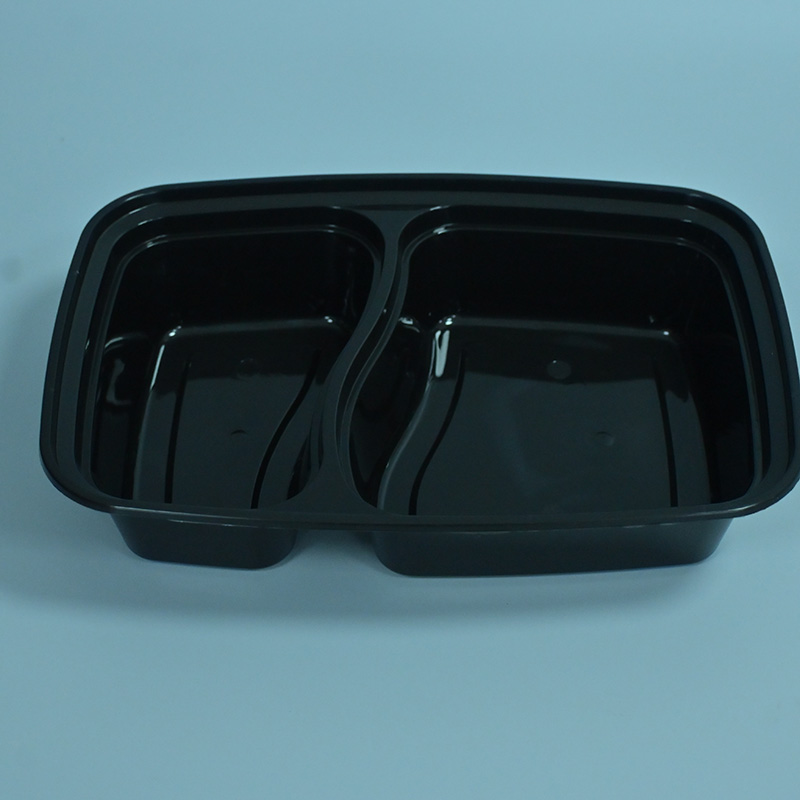
Packaging efficiency has become increasingly important as food delivery, takeaway services, meal preparation, and commercial catering continue to grow. Traditional round containers can waste valuable storage space, while sharp-cornered boxes may be less convenient to clean, handle, or manufacture. A PP meal box with round-to-square design addresses these practical concerns by combining a square footprint with smoothly rounded corners.
This article explains how the design works, why polypropylene is commonly used for meal containers, what advantages the shape can provide, and which factors buyers should evaluate before placing an order. It also covers sealing, stacking, storage, food compatibility, customization, and commercial purchasing considerations.
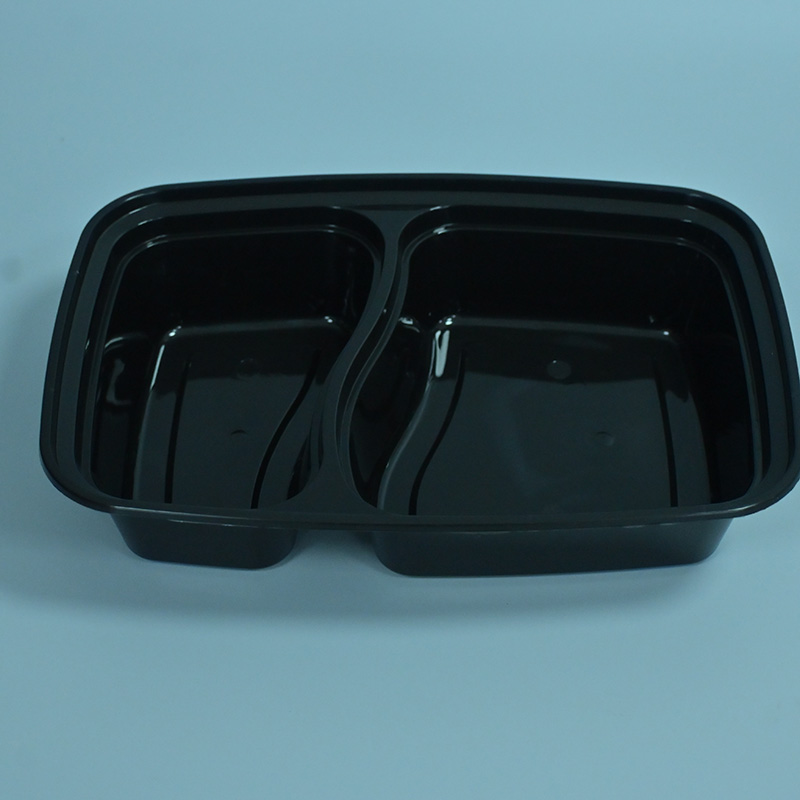
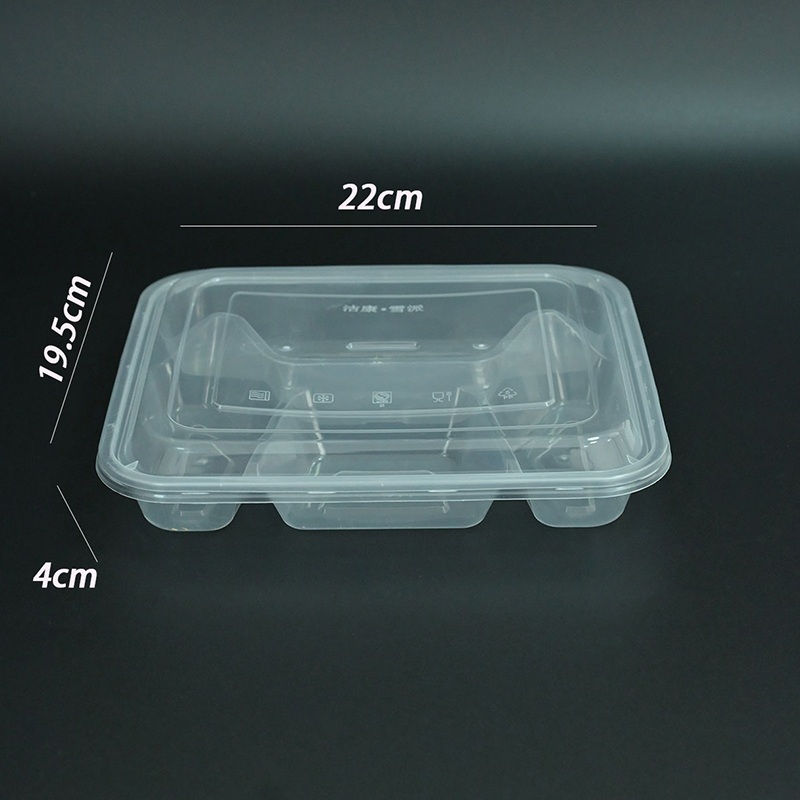
The term PP meal box with round-to-square design describes a container that generally follows a square or rectangular footprint while using curved transitions at the corners and edges. Instead of combining a completely round shape with a separate square shape, the design integrates both characteristics into one practical container.
The square footprint makes the container easier to arrange in refrigerators, delivery bags, storage shelves, cartons, and commercial kitchen areas. Meanwhile, rounded corners reduce unnecessarily sharp edges and can create a smoother internal surface for food handling and cleaning.
This design is particularly useful when packaging efficiency matters. Food businesses often need to manage hundreds or thousands of containers at a time. Even small differences in footprint can affect how many boxes fit into a storage cabinet, transport carton, or delivery bag.
The goal is to combine the space efficiency of a square container with the handling advantages of smoothly rounded corners.
PP, or polypropylene, is a widely used thermoplastic material for food containers because it offers a useful balance of strength, weight, processability, and everyday practicality. For commercial meal packaging, the material needs to maintain its shape during normal handling while remaining light enough for transportation and storage.
A properly manufactured PP meal box can provide several useful characteristics, including:
Buyers should always confirm the exact material grade, food-contact compliance, temperature limitations, and intended usage with the manufacturer rather than assuming that every PP product has identical performance.
The geometry of a meal container can influence more than appearance. It can affect how food is arranged, how containers are stacked, how efficiently storage space is used, and how easily packaging moves through a commercial operation.
Square and rectangular footprints generally make it easier to organize containers closely together with less unused space.
Rounded transitions can make the container more comfortable to handle and can reduce difficult-to-reach sharp internal corners.
The broad usable base can provide convenient space for rice, vegetables, meat, pasta, salads, and other prepared foods.
A standardized shape can simplify storage, packing, delivery preparation, and inventory organization.
Storage efficiency is one of the most overlooked issues in food packaging. A container may perform perfectly when holding food but still create operational problems if it occupies excessive space in a refrigerator, carton, warehouse, or delivery bag.
A round-to-square structure can provide a more organized footprint. When multiple containers are arranged side by side, the flatter sides of the square form help reduce the gaps that commonly occur between fully circular containers.
| Storage Factor | Potential Benefit |
|---|---|
| Footprint | More efficient use of shelf and carton space |
| Stacking | Potentially more stable organization when designed with stacking features |
| Transportation | Convenient arrangement inside delivery bags and cartons |
| Inventory | Easier visual organization of standardized container sizes |
However, stacking performance should not be judged by shape alone. The lid structure, rim geometry, wall thickness, nesting design, and load distribution all influence actual stacking stability.
The versatility of a PP meal container makes this design suitable for a broad range of food-service environments. The exact application depends on dimensions, lid configuration, material specification, and temperature requirements.
| Design | Space Efficiency | Corner Handling | Typical Strength | Common Applications |
|---|---|---|---|---|
| Round | Moderate | Very smooth | Good | Soups, sauces, selected meals |
| Round-to-Square | High | Smooth | Good to high* | Meals, takeaway, catering, meal prep |
| Traditional Square | High | Depends on corner radius | Good to high | General food packaging |
*Actual performance depends on wall thickness, material grade, molding quality, lid design, dimensions, and intended use.
Selecting a meal box based only on appearance can create problems later. Commercial buyers should evaluate the complete packaging system, including the container, lid, material, dimensions, production consistency, and logistics.
Different food businesses have different packaging requirements. A meal-preparation company may prioritize portion capacity, while a delivery business may focus on stacking stability and lid security. Catering companies may require a specific footprint that fits their existing transport equipment.
Depending on production capabilities and order requirements, customization may include:
Tianjin Jiekang Kitchenware Co., Ltd. can be considered by buyers looking for professional food-container and kitchenware manufacturing solutions. When discussing a custom project, buyers should provide target dimensions, capacity, application, expected order quantity, lid requirements, branding needs, and destination-market requirements so that the supplier can evaluate the project accurately.
Commercial packaging purchases can become expensive when important specifications are overlooked. Several common mistakes can be avoided through a more systematic evaluation process.
A visually attractive container may not provide the capacity, rigidity, sealing performance, or temperature characteristics required for the actual application.
Internal capacity is important, but external dimensions determine whether the box fits delivery bags, cartons, shelves, refrigerators, and storage systems.
A container and lid should be evaluated as a complete system, especially when meals are transported or stored in different positions.
Packaging that works well in a restaurant may behave differently after long-distance shipment or repeated stacking.
Importers should identify the requirements of their destination market before finalizing a large commercial order.
It can be suitable for takeaway applications when the selected PP grade, dimensions, lid configuration, and overall product specification match the food and transportation requirements. Buyers should confirm the manufacturer's recommendations before commercial use.
Its square-oriented footprint can make it easier to arrange multiple containers closely together compared with fully circular containers. Actual space savings depend on the dimensions and the storage system being used.
Depending on the manufacturer's capabilities and order volume, customization may include dimensions, capacity, color, lid design, surface appearance, branding, and packaging configuration.
Rounded corners can create smoother transitions inside and outside the container, which may improve handling and make certain areas easier to clean compared with designs that use very sharp corners.
Provide the desired dimensions, capacity, material requirements, lid type, application, estimated quantity, customization requirements, packaging preferences, and destination market. Photos or drawings of an existing container can also help manufacturers understand the project.
Some PP containers can be designed for repeated use, but suitability depends on the specific product construction, material grade, temperature exposure, cleaning process, and manufacturer's instructions. Buyers should not assume that every PP meal box is reusable simply because it is made from polypropylene.
A PP meal box with round-to-square design is more than a visual variation of a traditional food container. Its geometry can provide a practical balance between efficient space utilization and smoothly rounded edges. For restaurants, meal-preparation companies, caterers, food distributors, and packaging buyers, this combination can help address everyday challenges involving storage, transportation, handling, and food presentation.
The best container, however, is not necessarily the largest or most attractive one. It is the product whose dimensions, material, lid, structure, and performance match the actual application. Buyers should evaluate the complete packaging system and verify technical specifications before committing to a large order.
For businesses developing a new food packaging line or sourcing customized meal containers, working directly with an experienced manufacturer can simplify the process from product design and specification confirmation to sampling and bulk production.
If you are sourcing a PP meal box with round-to-square design for food service, takeaway, catering, meal preparation, or private-label projects, Tianjin Jiekang Kitchenware Co., Ltd. can discuss your product requirements and help evaluate suitable container specifications.
Share your desired size, capacity, application, quantity, lid requirements, and customization needs with our team. Contact us to discuss your project and explore a practical meal-box solution for your market.