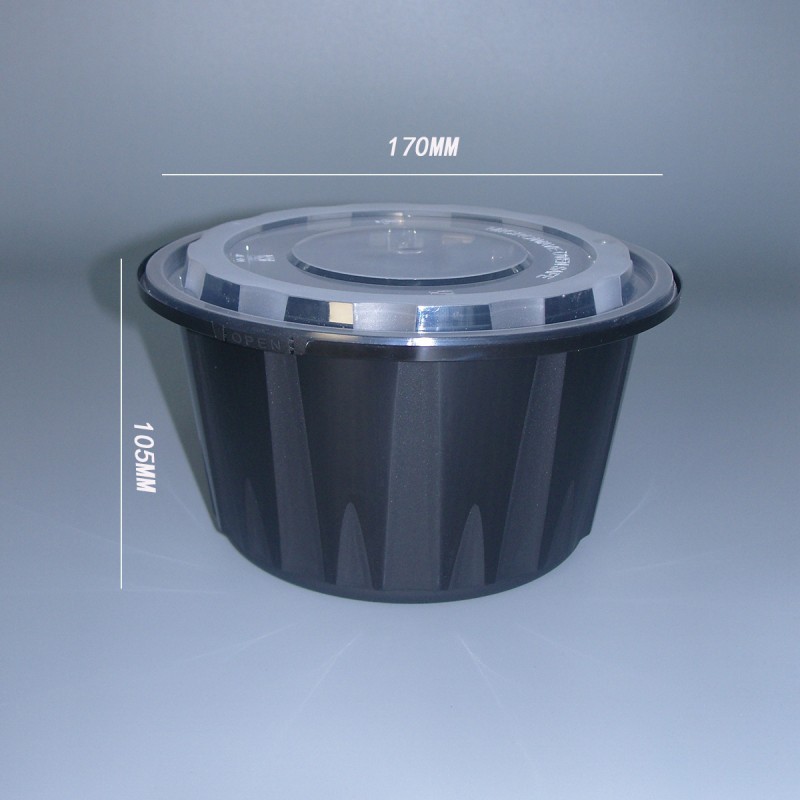
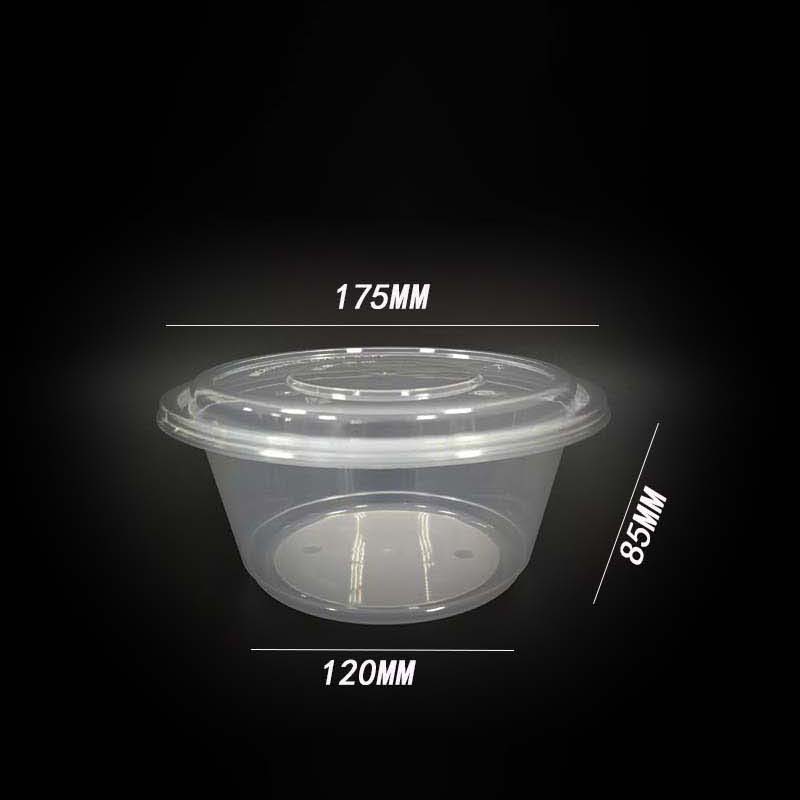
Choosing the right food packaging is about much more than holding a meal. Restaurants, takeaway businesses, catering companies, food manufacturers, and packaging distributors need containers that protect food quality, simplify daily operations, and provide a reliable experience for customers. A PP round food container offers a practical option for packaging soups, rice dishes, salads, sauces, prepared meals, and many other food products.
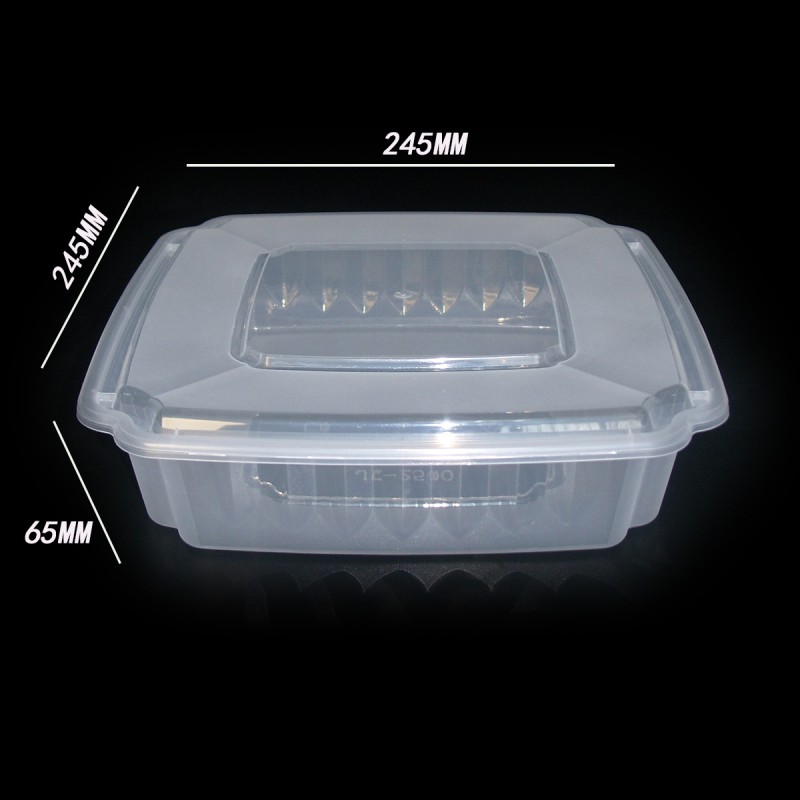
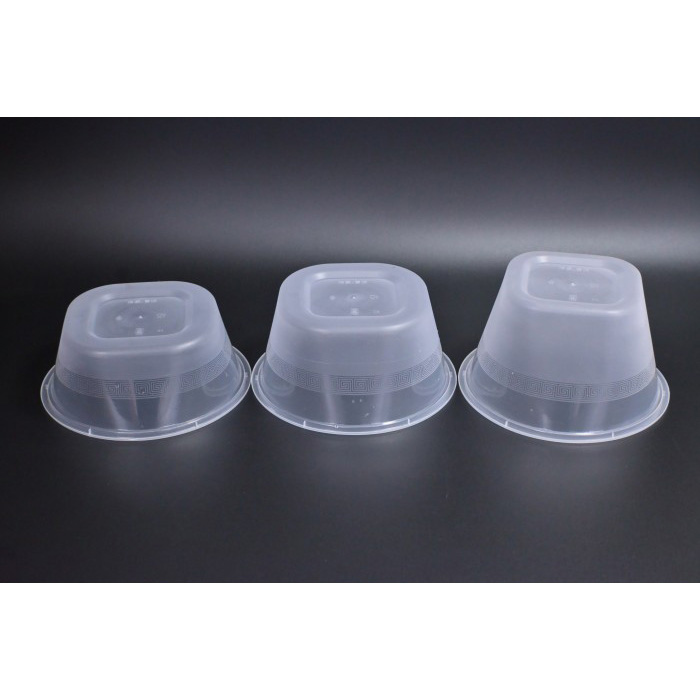
Choosing the right food container affects far more than food presentation. For restaurants, meal-prep companies, caterers, takeout businesses, supermarkets, and food distributors, a container must balance food protection, storage efficiency, heating convenience, transport reliability, appearance, and purchasing cost. An American-style PP square food container is designed around these practical requirements, combining a spacious square structure with polypropylene performance.
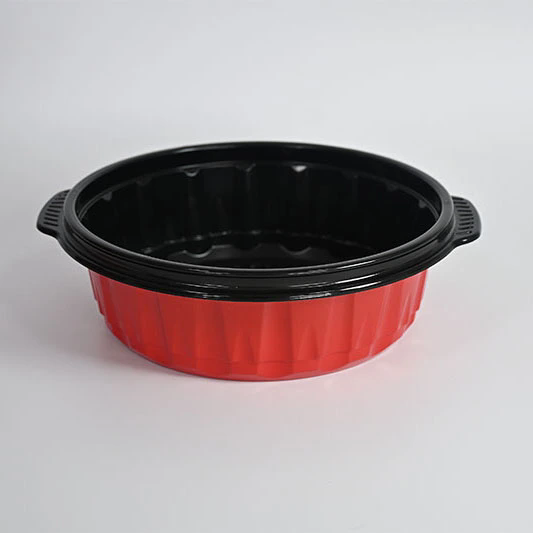
Food‑service importers and packaging distributors frequently approve thermoformed bowl orders based on static showroom samples. Visual checks confirm nice handle geometry, clean bowl contour and correct PP material marking. Sample evaluation rarely reproduces combined stress coming from cold‑chain logistics, repeated microwave reheating, stacking pressure and cross‑border regulatory compliance checks. Many latent risks only surface after bulk goods land at destination warehouses or reach end‑restaurant users.
It should maximize usable space, protect meals during transport, support efficient storage, and provide a convenient experience for food businesses and consumers. A PP meal box with round-to-square design combines curved corners with a space-efficient square body, creating a practical solution for takeaway meals, meal preparation, catering, food delivery, and commercial food service.
An American-style bowl-shaped PP meal box is designed for food applications where presentation, portion control, transportation, and handling all matter. Its rounded bowl structure provides useful internal volume while helping accommodate foods such as rice meals, salads, pasta, noodles, mixed dishes, vegetables, and prepared takeaway meals.
Food packaging plays a crucial role in modern catering, takeaway services, restaurants, and food manufacturing businesses. An American-style transparent round PP meal box has become a popular solution because it combines visual appeal, durability, convenience, and food safety. This article explores how this type of meal container helps businesses solve common packaging challenges, including product presentation, transportation safety, storage efficiency, and customer satisfaction.
We use cookies to offer you a better browsing experience, analyze site traffic and personalize content. By using this site, you agree to our use of cookies. Privacy Policy

 21 2026-10
  18 2026-09
  02 2026-09
  02 2026-09
  26 2026-08
  18 2026-08