Follow us for the latest company news, new product launches, and industry exhibition updates.
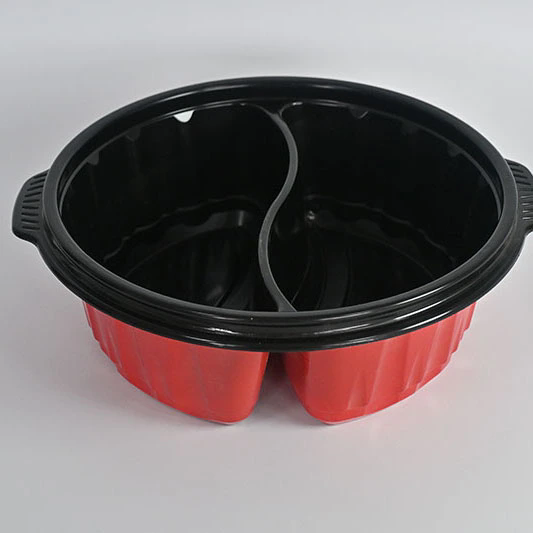
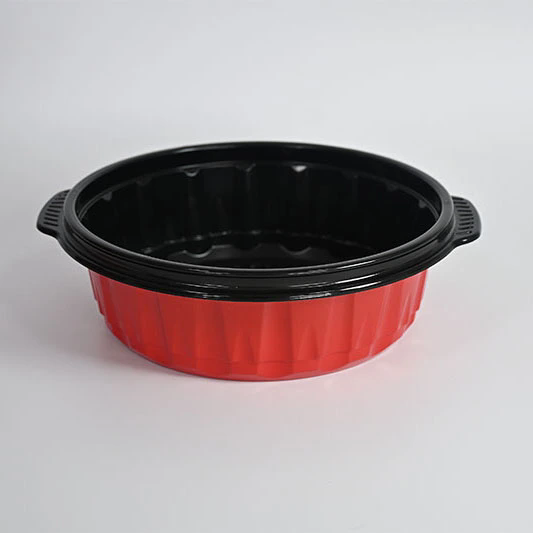
Food‑service importers and packaging distributors frequently approve thermoformed bowl orders based on static showroom samples. Visual checks confirm nice handle geometry, clean bowl contour and correct PP material marking. Sample evaluation rarely reproduces combined stress coming from cold‑chain logistics, repeated microwave reheating, stacking pressure and cross‑border regulatory compliance checks. Many latent risks only surface after bulk goods land at destination warehouses or reach end‑restaurant users.
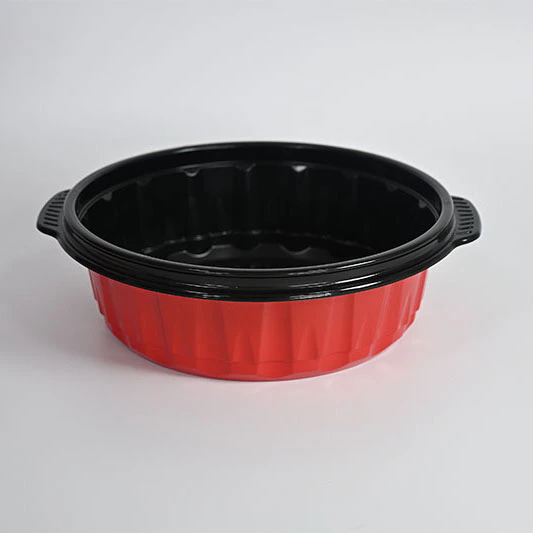
Most procurement teams focus their review on drawing dimensions and outward appearance. Four real‑world operating scenarios decide whether bulk shipments can satisfy overseas market requirements:
Sample bowls sit loosely displayed without top‑weight compression. In actual export packaging, finished bowls are nested and stacked high inside export cartons. Long‑duration static compression during ocean transit creates two common defects.
Jiekang Container carries out carton‑simulated static compression ageing test. Post‑test handle shape and rim flatness get recorded, filtering batches prone to transit‑origin permanent deformation before packing.
Room‑temperature sample inspection cannot mirror freezer‑logistics conditions. Bowls used for pre‑prepared meals experience repeated freeze‑thaw shifts. Side‑handles and bowl corner zones become stress‑concentration hot‑spots under sub‑zero environment.
Minor wall‑thinning generated during thermoforming becomes critical weakness. Handles may crack when end‑users grip frozen loaded bowls, even if every sample passes visual QC at room temperature.
Many suppliers run microwave tests using empty sample bowls only. Real‑world usage involves bowls filled with high‑temperature oily or watery food. Heat builds unevenly at handle‑bowl joint positions.
Local over‑heating triggers partial softening, handle‑base distortion or subtle dimensional shift. Empty‑bowl lab testing completely misses this failure mode. Jiekang Container performs microwave cycle testing filled with food‑simulant liquids, checking handle‑joint stability and overall bowl geometry after multiple reheating loops.
A generic third‑party certificate does not automatically represent compliance for your exact production lot. Some thermoforming workshops mix recycled off‑cuts into virgin PP resin without proper declaration. The risk is invisible from visual appearance.
Customs and retail‑chain audits demand clear linkage: each shipment batch must map back to original PP resin COA, migration‑test records and production‑run log. Prototype sample reports cannot serve as valid evidence for imported bulk consignments.
| Transit requirement | Specify carton‑stack compression ageing for nested bowl assemblies |
| Cold‑chain requirement | Add freeze‑thaw plus handle grip‑strength test conditions |
| Heating requirement | Require microwave test executed with food‑simulant instead of empty bowls |
| Compliance requirement | Demand lot‑tied resin documents and migration‑test data, reject stand‑alone prototype certificates |