Follow us for the latest company news, new product launches, and industry exhibition updates.
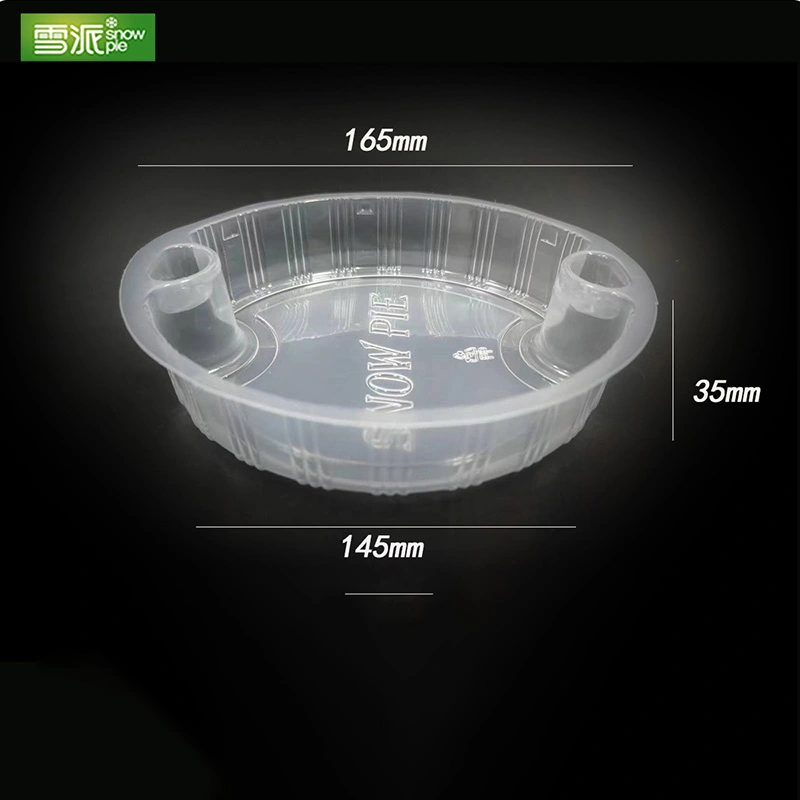
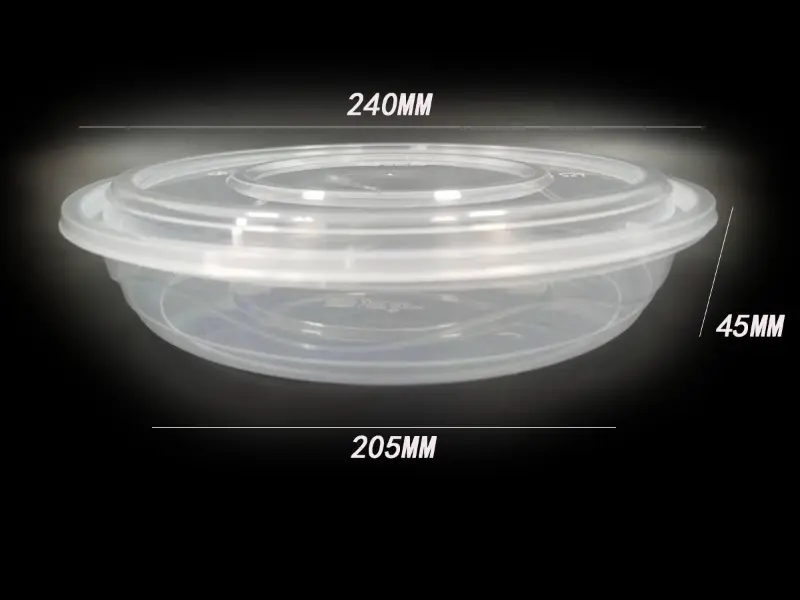
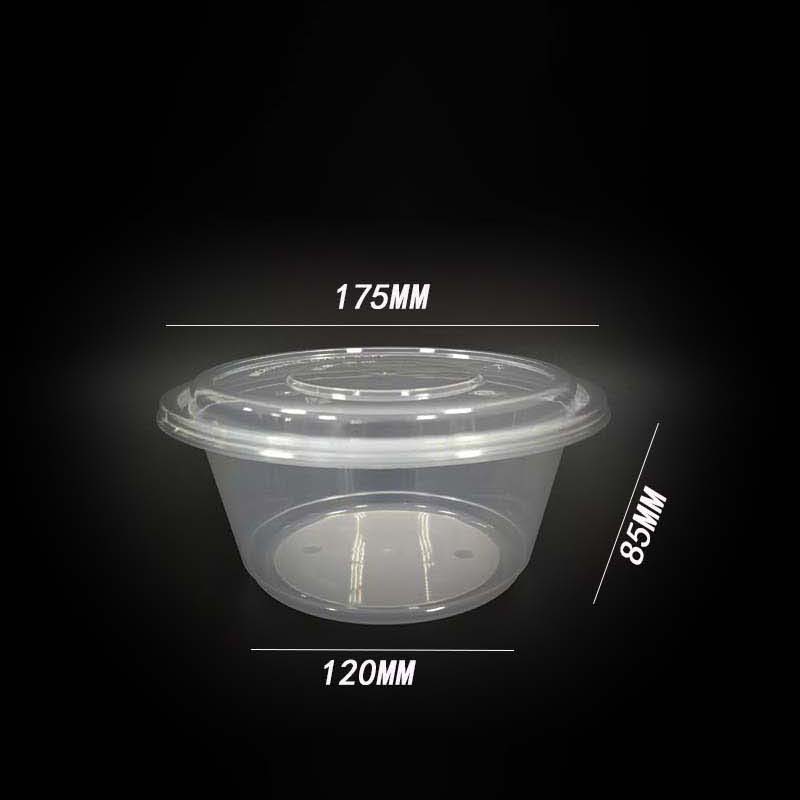
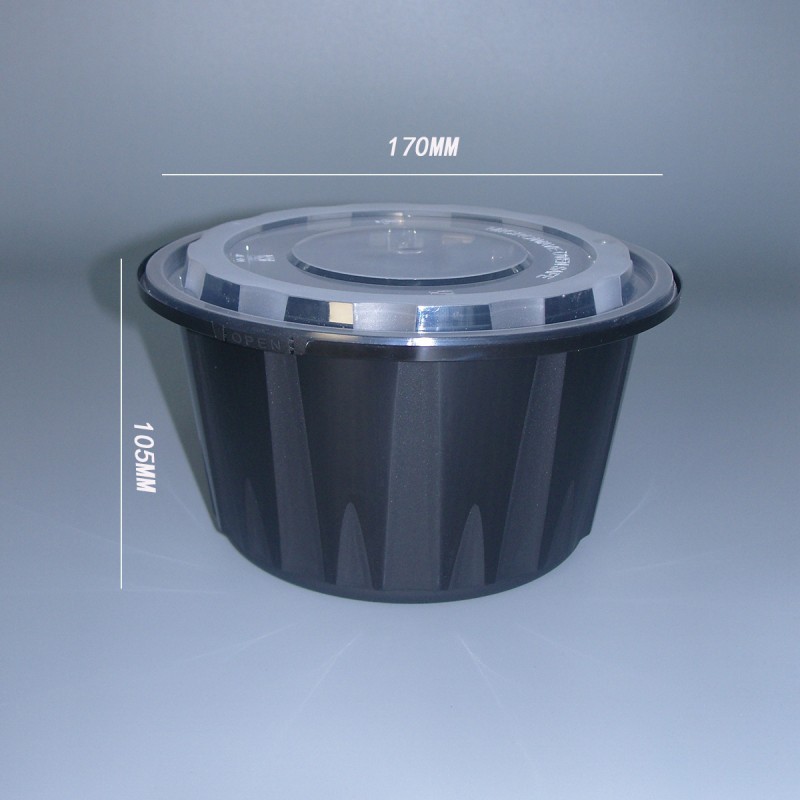
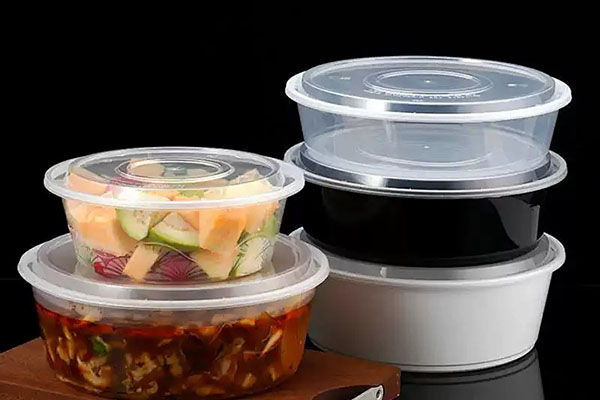
An American-style bowl-shaped PP meal box is designed for food applications where presentation, portion control, transportation, and handling all matter. Its rounded bowl structure provides useful internal volume while helping accommodate foods such as rice meals, salads, pasta, noodles, mixed dishes, vegetables, and prepared takeaway meals.
For restaurants, caterers, meal-preparation companies, food manufacturers, supermarkets, and delivery businesses, packaging problems can quickly become operational problems. Leaking containers can create customer complaints, weak packaging can fail during transportation, and unsuitable materials may limit heating or storage applications.
This article takes a practical approach to the subject, focusing on the product characteristics that buyers should evaluate before placing an order.
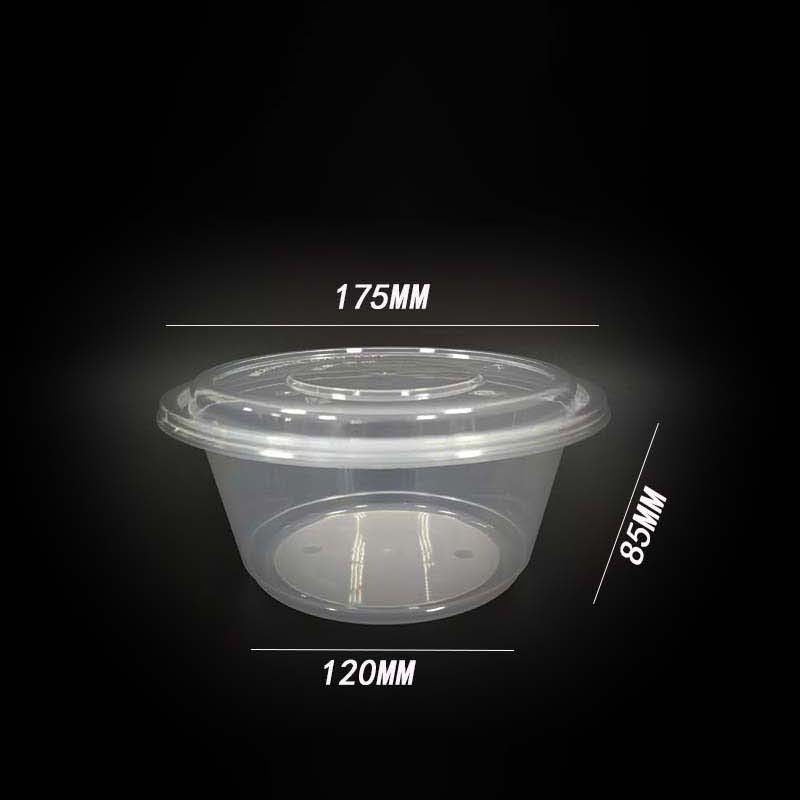
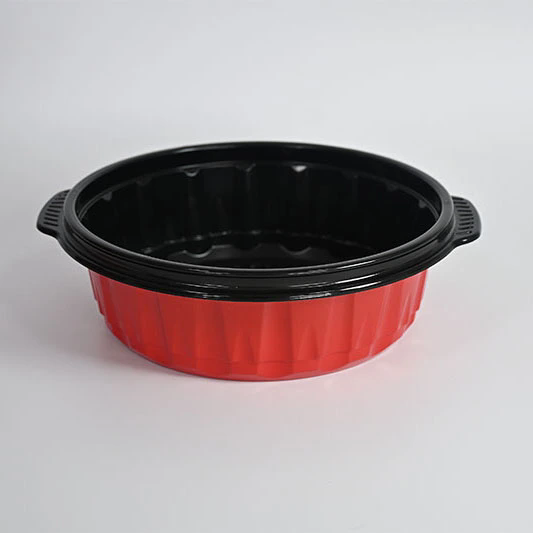
An American-style bowl-shaped PP meal box is a food container manufactured primarily from polypropylene, commonly abbreviated as PP. Unlike flat trays or conventional rectangular takeaway boxes, the bowl-shaped format uses curved walls and a deeper cavity to create a practical container for foods that require more vertical space.
The term “American-style” generally describes a familiar food-service format rather than a single universal specification. Depending on the supplier and intended application, the box may differ in capacity, dimensions, wall thickness, lid configuration, color, surface finish, and other details.
For buyers, the most important point is that the name alone does not define product performance. A professional purchasing decision should consider the actual specifications and intended food application.
Buyer insight: Treat “American-style bowl-shaped PP meal box” as a product category, then evaluate the exact material, dimensions, capacity, lid fit, packaging configuration, and application requirements before ordering.
The geometry of a bowl-shaped container can make a noticeable difference in food presentation and handling. The curved profile provides depth without creating the footprint of a very large rectangular container, while the broad opening makes filling and serving relatively convenient.
For food-service operations, several structural characteristics deserve attention:
These elements work together. A container can have attractive dimensions but still perform poorly if its lid fit, rigidity, or stacking characteristics do not match the application.
Polypropylene is widely used in food packaging because it can provide a useful combination of lightweight construction, toughness, chemical resistance, and heat-related performance suitable for many food-service applications.
One important advantage is that PP containers can be designed for foods with different textures and temperatures. However, buyers should never assume that every PP product has identical performance. The suitability of a particular container depends on its formulation, manufacturing process, specifications, and intended use.
| Property | Why It Matters |
|---|---|
| Lightweight construction | Can help reduce handling burden and packaging weight. |
| Durability | Useful when meals are moved, stored, or delivered. |
| Moisture resistance | Important for foods containing sauces, dressings, or liquids. |
| Food-packaging versatility | Suitable designs can serve many prepared-food applications. |
| Heat-related performance | Relevant when meals may be reheated or filled while warm; always verify the supplier's stated temperature limits. |
For commercial buyers, the practical lesson is simple: material selection should be matched to the food, temperature, storage method, and distribution environment.
Although the container is a relatively small component of a food-service operation, it directly affects several stages of the customer journey—from kitchen preparation to the moment the customer opens the package.
The bowl profile can give meals a fuller, more organized appearance, especially when ingredients are layered or arranged by portion.
Defined container capacity can support standardized meal preparation and help businesses maintain consistent serving sizes.
A stable base and appropriately rigid walls can make filled containers easier to move from kitchen stations to delivery bags.
Stackable or nestable designs can help food businesses manage storage space more efficiently before containers are used.
These advantages become particularly valuable when a business handles hundreds or thousands of meals. A small improvement in packaging consistency can reduce preparation interruptions, transportation issues, and customer complaints.
The bowl format is flexible enough for a wide range of prepared-food applications. Its suitability depends on the exact container specification and food requirements.
Important: Not every PP meal box is appropriate for every food, heating method, freezer condition, or temperature range. Always confirm the product's intended application and technical limits with the supplier.
Purchasing packaging by appearance alone can create unnecessary problems. A better approach is to evaluate the complete specification before comparing quotations.
A practical specification sheet should ideally include:
| Consideration | Questions to Ask | Potential Business Impact |
|---|---|---|
| Capacity | Does it match the normal meal portion? | Better portion consistency |
| Closure | Does the lid fit securely? | Lower transportation risk |
| Rigidity | Can it withstand routine handling? | Improved operational convenience |
| Temperature | What temperatures will it encounter? | Safer application matching |
| Stackability | How efficiently can unused boxes be stored? | Better warehouse utilization |
1. Choosing only by unit price.
The cheapest container may not provide the best overall value if it creates leakage, breakage, poor stacking, or inconsistent supply.
2. Ignoring the lid.
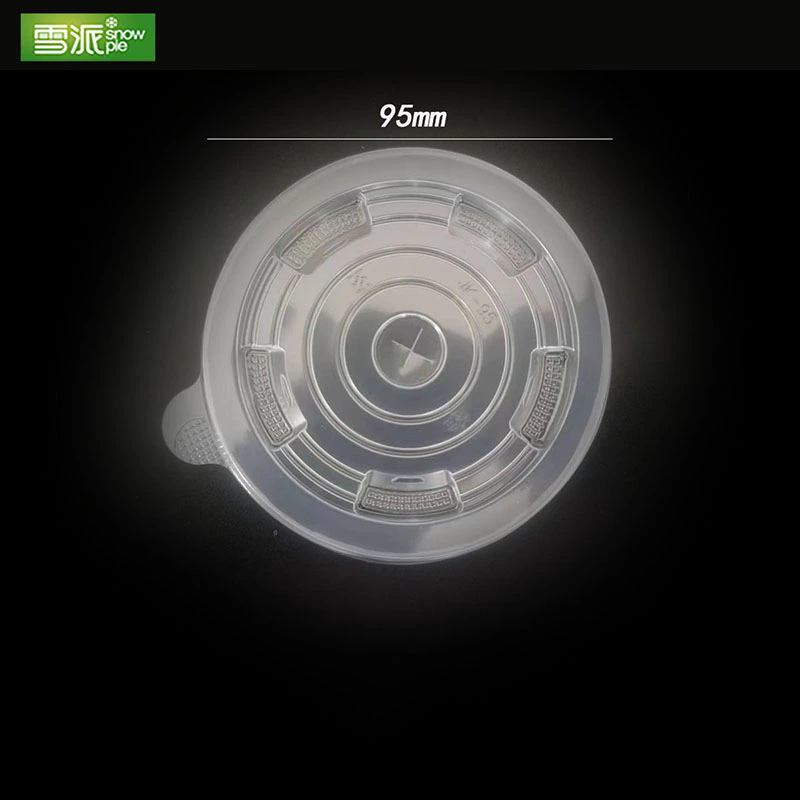
A meal box and its lid should be considered as one packaging system when transportation is involved.
3. Assuming every PP container has the same temperature performance.
Material family alone does not provide enough information. Verify the supplier's specifications for the intended application.
4. Ordering large quantities without testing samples.
A sample evaluation can reveal fit, capacity, rigidity, appearance, and handling characteristics before a large purchase.
5. Forgetting logistics.
Packaging that works well in a kitchen may still create problems during carton packing, warehouse storage, or long-distance shipping.
6. Overlooking consistency.
For food businesses with repeat production, consistency between batches can be as important as the performance of the initial order.
The quality of a meal box depends not only on the raw material but also on tooling, molding conditions, quality control, packaging, and production management. This is why supplier evaluation should extend beyond a product photograph or quotation sheet.
Tianjin Jiekang Kitchenware Co., Ltd. can be considered by buyers looking for a supplier of food-service packaging solutions. When evaluating a supplier, businesses should look for clear product specifications, responsive communication, sample support, stable production capability, and a willingness to discuss the actual application rather than simply quote a generic product.
A reliable supplier should be able to help buyers clarify questions such as container capacity, lid matching, packaging quantity, customization requirements, and application conditions. For larger orders, buyers may also want to discuss production lead times, carton configuration, inspection procedures, and repeat-order consistency.
Q1: What foods are suitable for an American-style bowl-shaped PP meal box?
The format can be suitable for many prepared foods, including rice dishes, noodles, pasta, salads, vegetables, mixed meals, and other takeaway foods. Suitability depends on the specific container design and food conditions.
Q2: Is PP suitable for hot food?
PP is commonly used in food packaging applications involving prepared foods, but the exact temperature performance depends on the specific product. Buyers should confirm the supplier's stated temperature limits before using a container with hot food or a heating process.
Q3: Does a bowl-shaped container help with food presentation?
Yes. Its deeper, curved profile can give food a more organized appearance and can work particularly well for layered, mixed, or topping-heavy meals.
Q4: How can buyers reduce leakage problems?
Choose a compatible lid system, verify the closure design, and test the filled container under realistic transportation conditions. Packaging should be evaluated as a complete container-and-lid system.
Q5: Should I request samples before a bulk order?
For commercial purchases, sampling is strongly recommended. It allows buyers to evaluate size, appearance, rigidity, lid fit, stacking, filling convenience, and transportation performance before committing to a large quantity.
Q6: Can the meal box be customized?
Customization possibilities depend on the supplier and product design. Depending on production capability, buyers may discuss dimensions, capacity, color, appearance, packaging, and other specifications.
Q7: What information should I provide when requesting a quotation?
Provide the intended food type, approximate serving size, required capacity, preferred dimensions, lid requirements, estimated order quantity, application temperature, destination market, and any customization requirements. More complete information generally makes supplier communication more efficient.
An American-style bowl-shaped PP meal box may look like a simple food container, but its performance can influence food presentation, kitchen efficiency, transportation reliability, storage, and customer experience.
The best purchasing decision starts with the application. Instead of asking only how much a container costs, consider whether its capacity, structure, material, lid, rigidity, temperature performance, stacking characteristics, and supply consistency match the actual requirements of your food business.
For restaurants, catering companies, meal-preparation businesses, supermarkets, food manufacturers, and delivery operations, the right packaging can make everyday processes more predictable and professional.
If you are sourcing an American-style bowl-shaped PP meal box, share your required capacity, dimensions, application, quantity, and lid requirements with Tianjin Jiekang Kitchenware Co., Ltd. A clear product brief can help you identify a suitable packaging solution more efficiently.
Contact us to discuss your requirements, request product information, and explore the right meal-box solution for your food-service application.