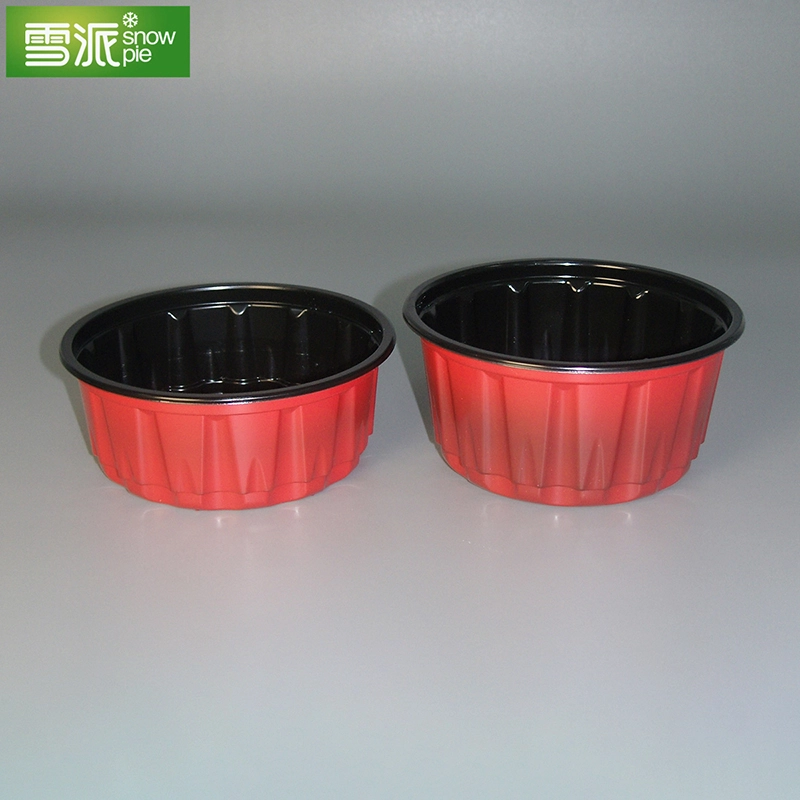
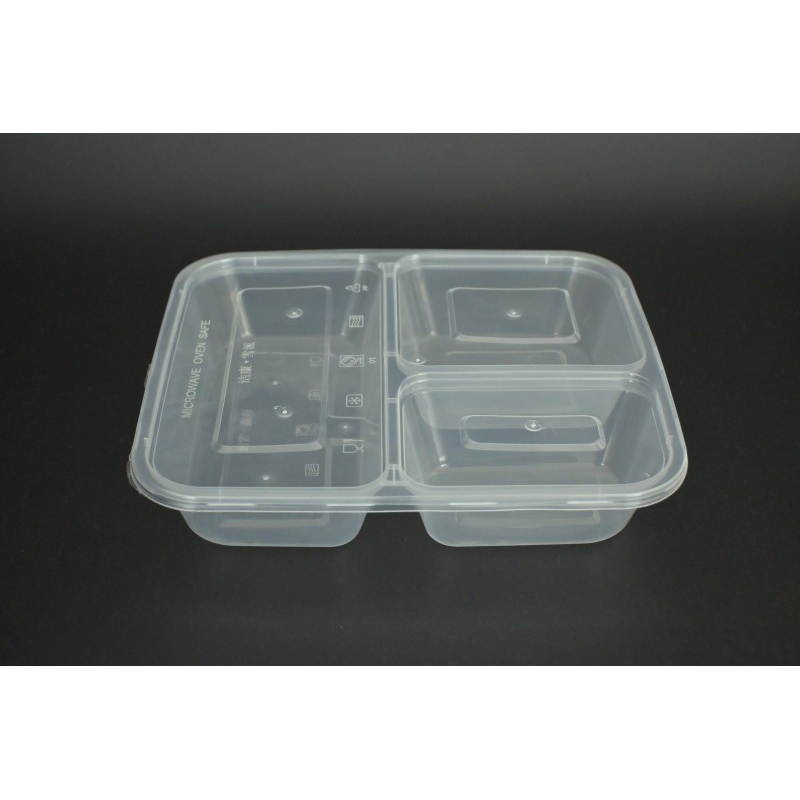
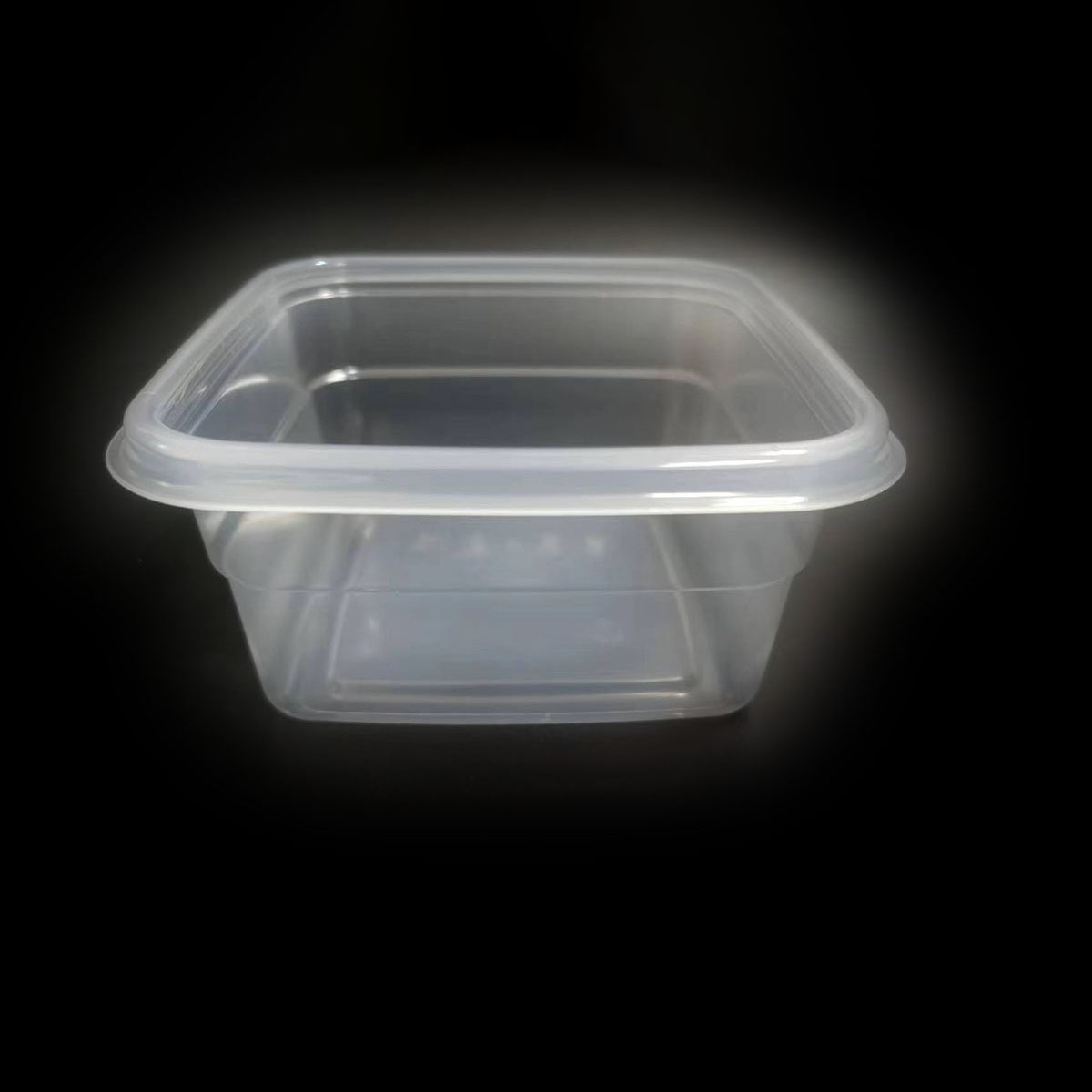
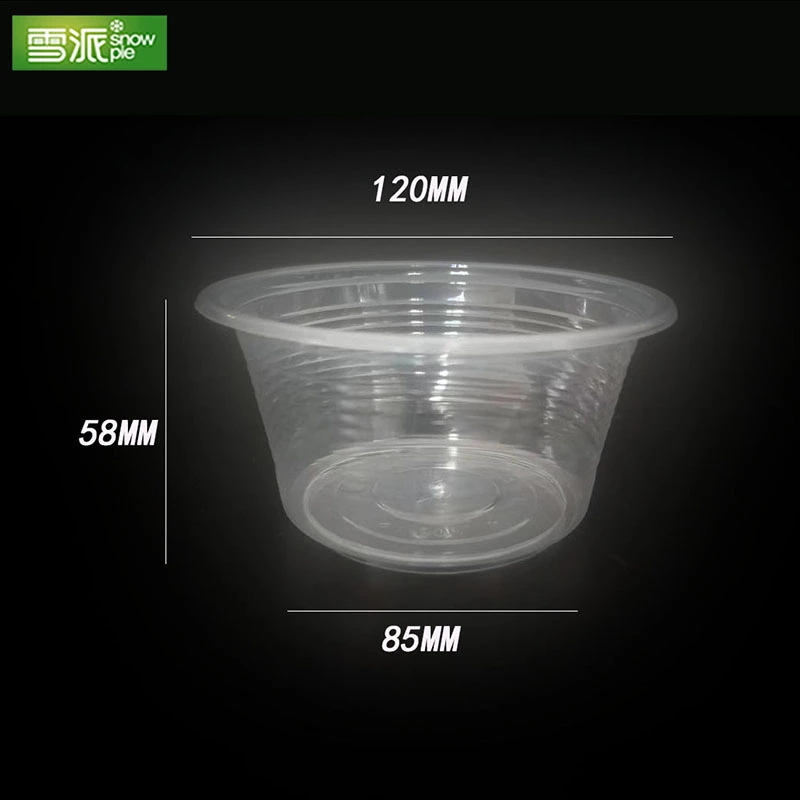
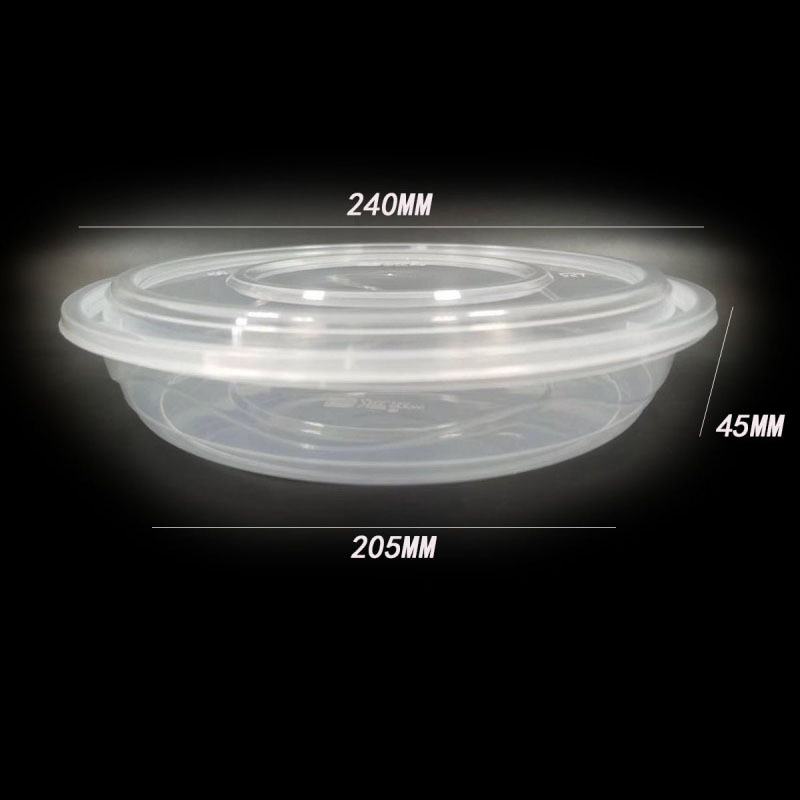
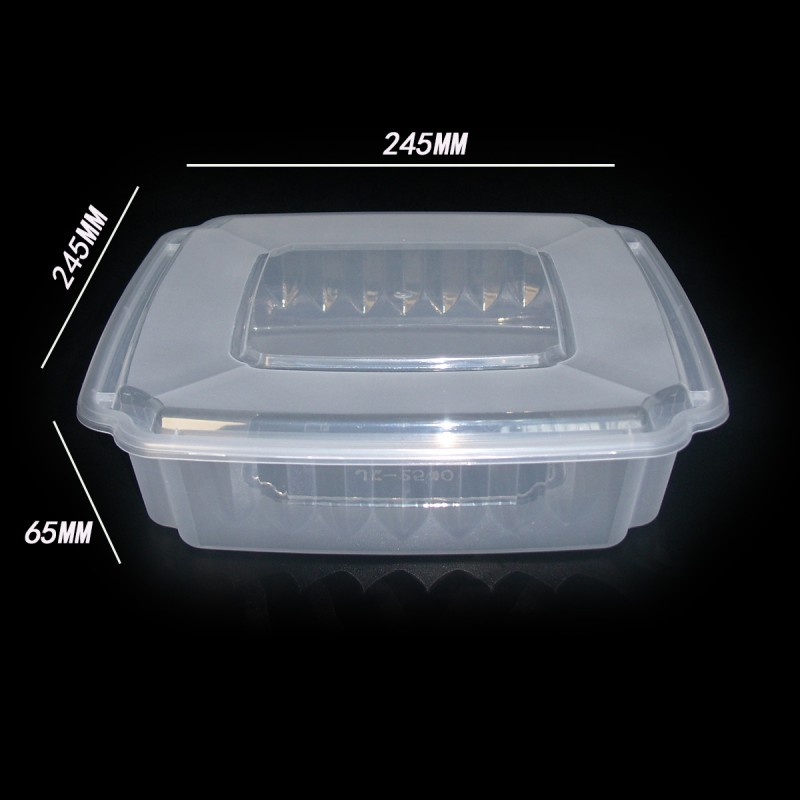
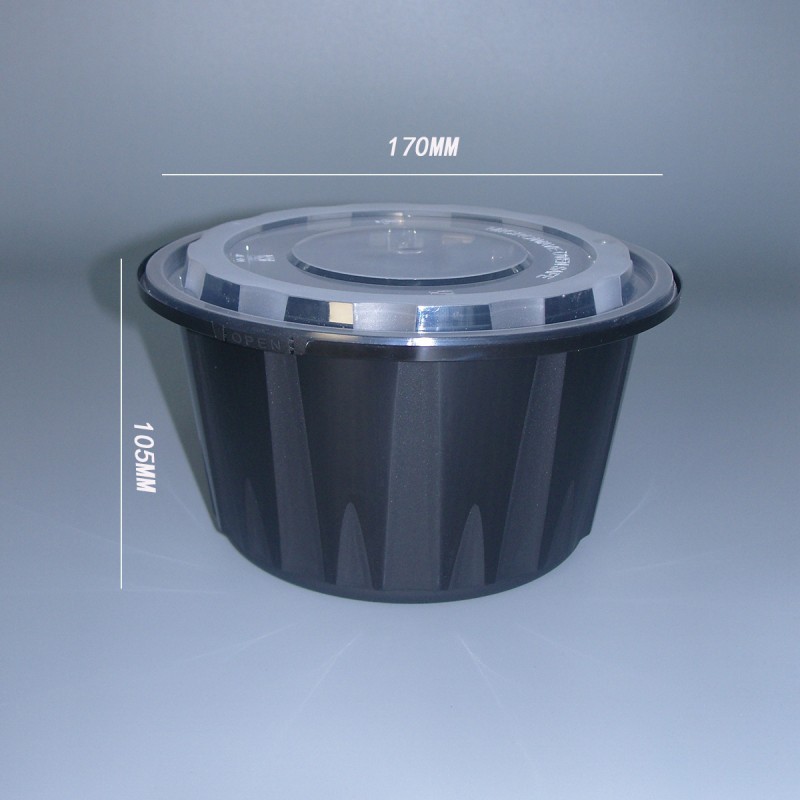
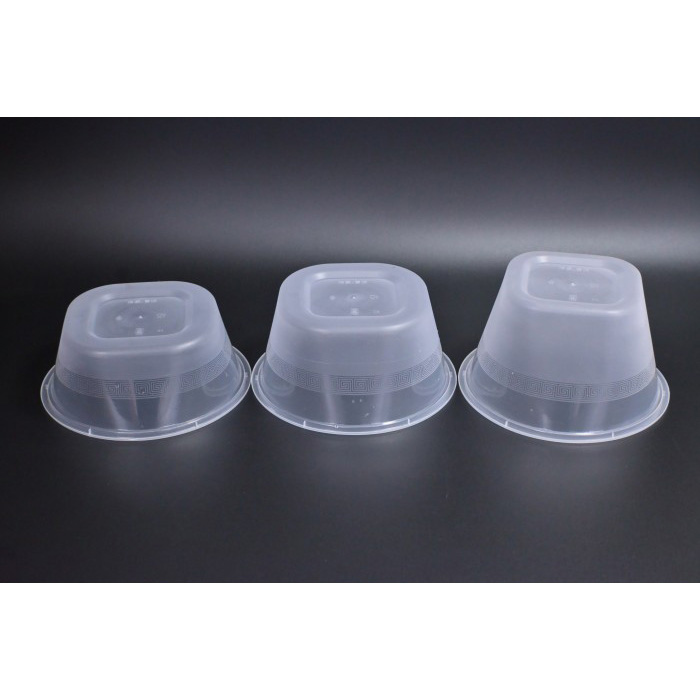
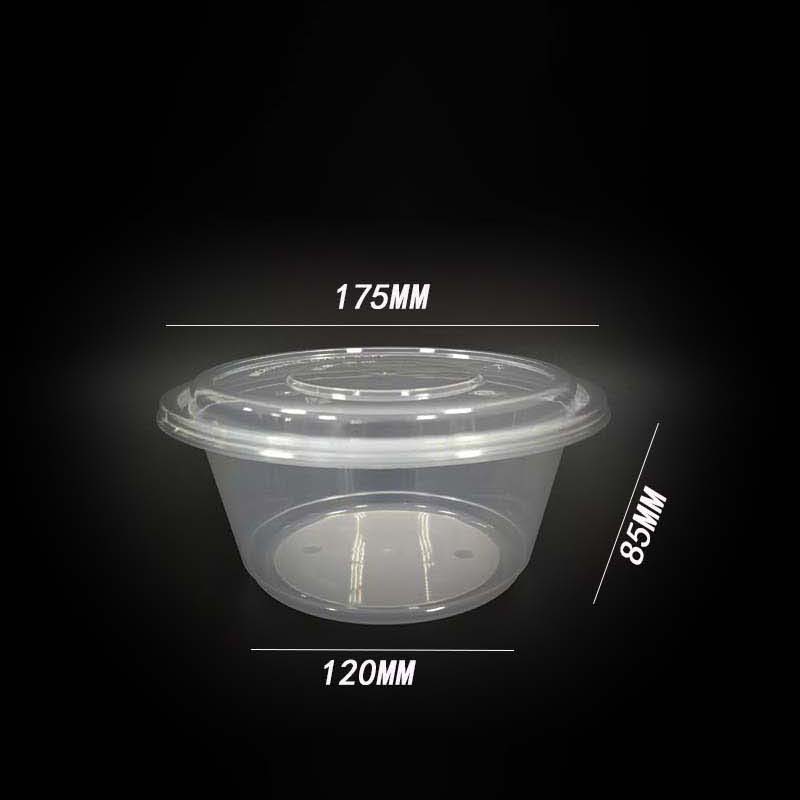
When considering environmental impact, the life cycle differs significantly. Thermoformed containers are generally lighter, using less plastic per unit, which reduces material consumption and transportation emissions. However, they are often single-use. The labels and thin materials can complicate recycling streams, though clear PET is widely recyclable.
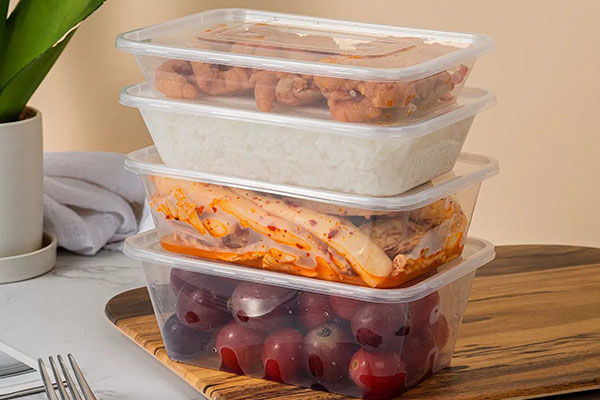
Injection-molded containers use more resin, creating a heavier carbon footprint initially. Yet, their durability allows for reuse, acting as storage containers in homes. They are easily identified and sorted in recycling due to their solid construction (often PP, which is highly recyclable). The choice depends on your waste management: lightweight thermoforming supports a "low-material" approach, while robust injection molding facilitates a "circular reuse" model, provided local facilities accept the specific polymer.
We use cookies to offer you a better browsing experience, analyze site traffic and personalize content. By using this site, you agree to our use of cookies. Privacy Policy