Offering a full range of disposable plastic bowls, lunch boxes, sealed containers, cups, and food wraps for catering and retail.
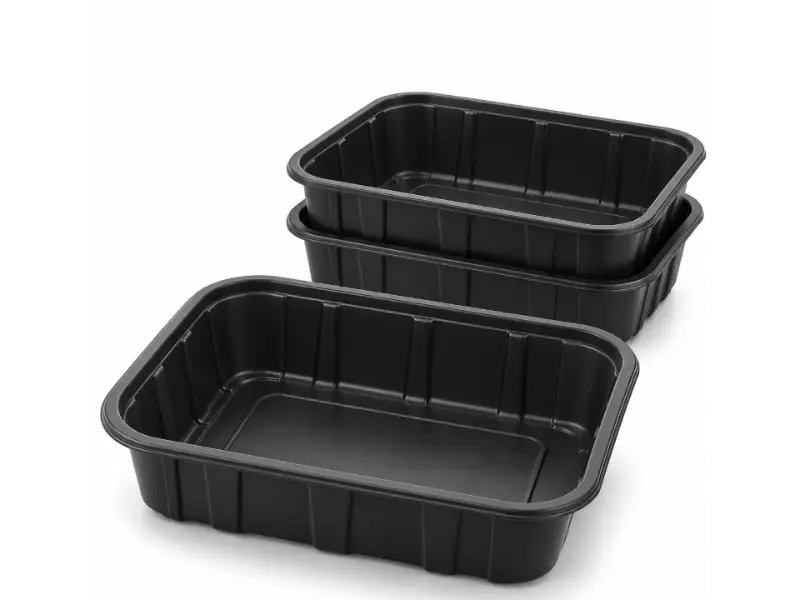
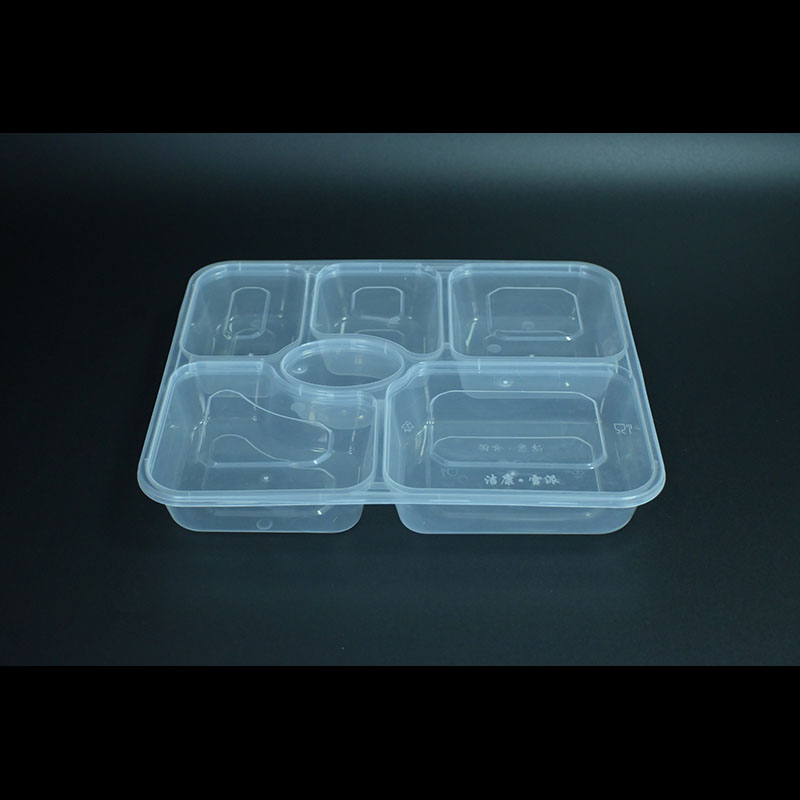
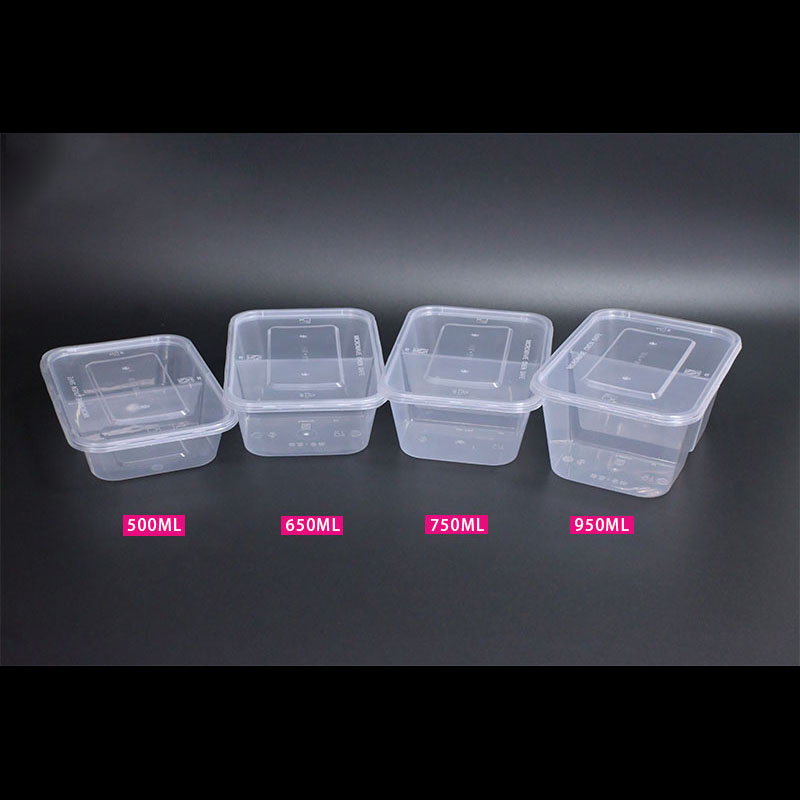
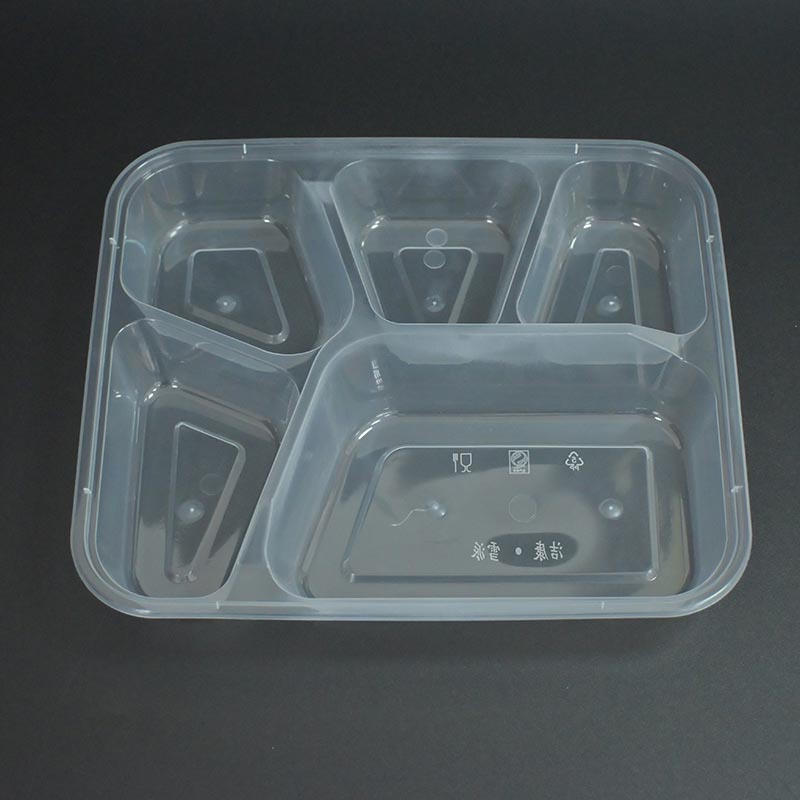
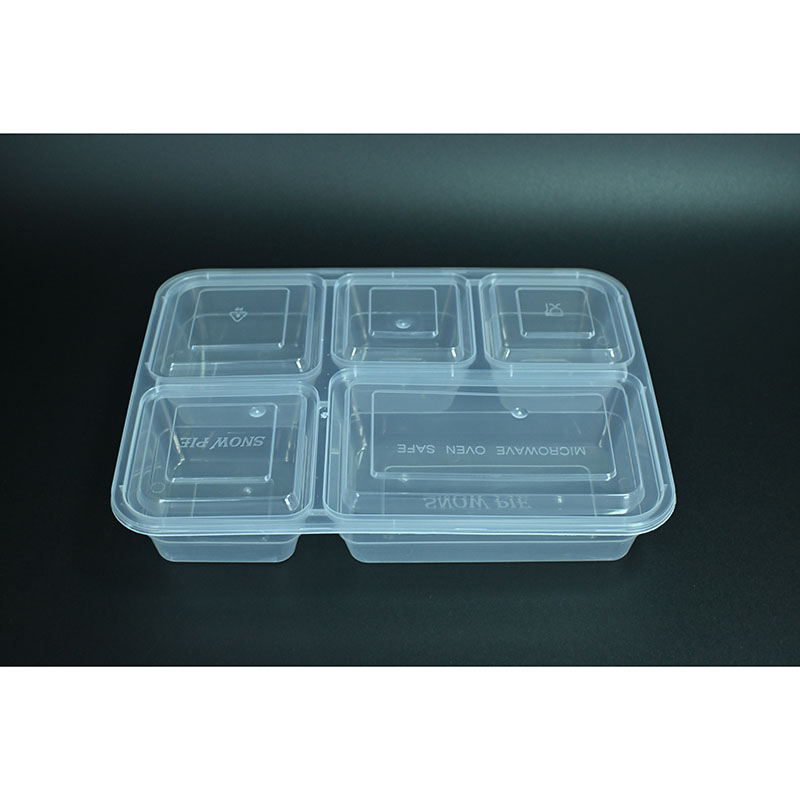
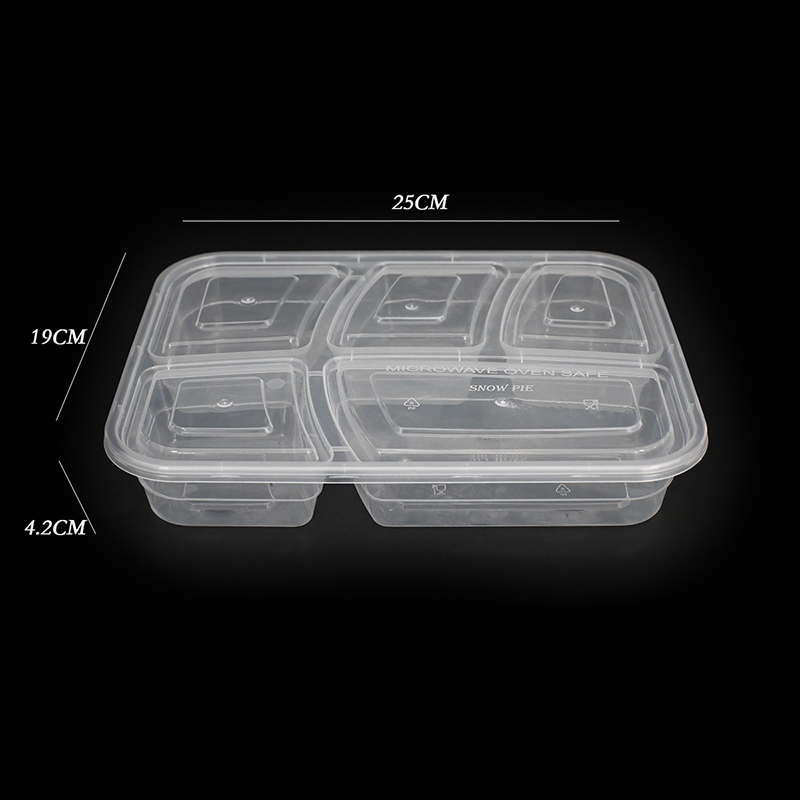
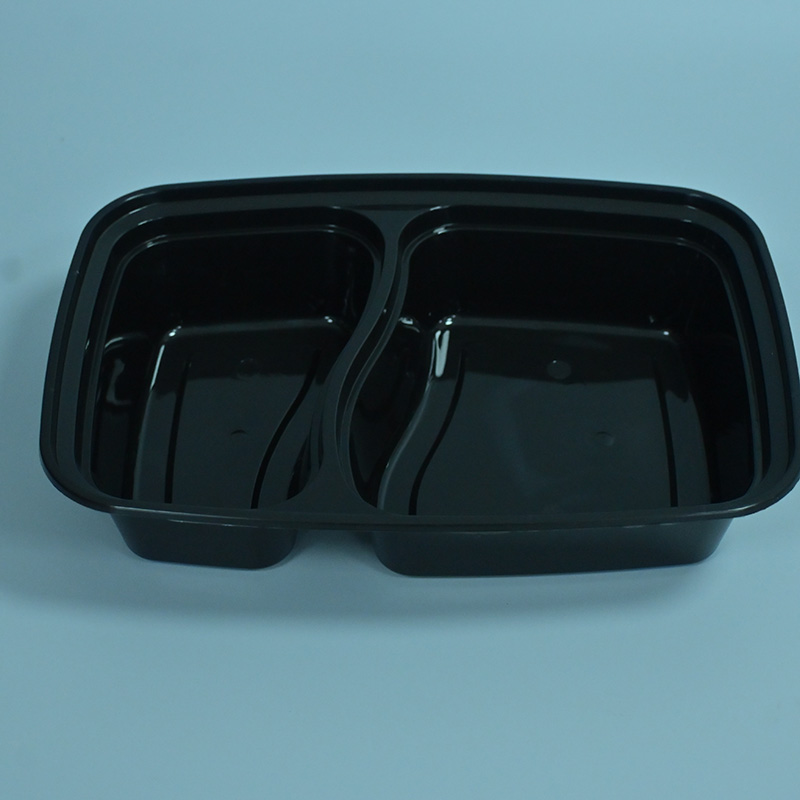
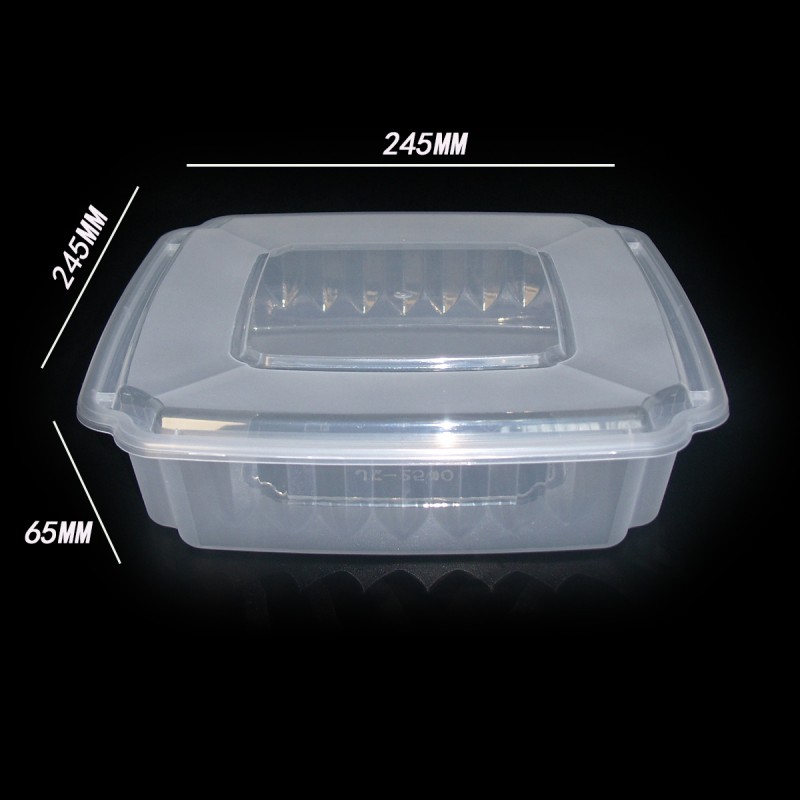
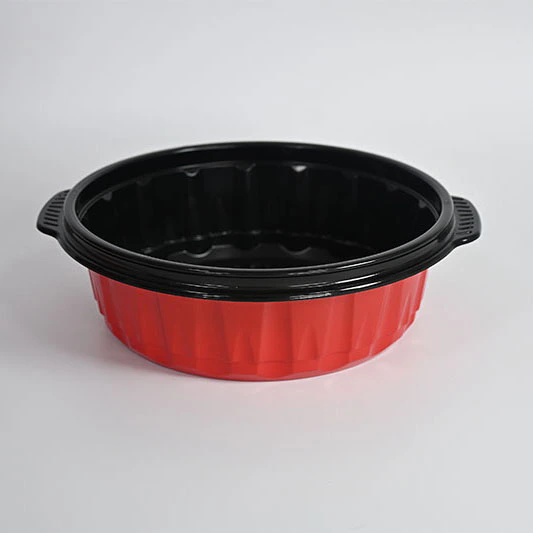
Polypropylene food trays are containers used for holding and portioning food, manufactured from polypropylene via an injection molding process. PP material is lightweight, durable (with good toughness), water-resistant, and offers a degree of oil resistance, making it well-suited for a wide range of food packaging and daily portioning needs. These trays are primarily used for supporting food items, organizing contents, portioning servings, and facilitating short-distance delivery. They are available in various sizes and structural configurations to suit the specific shape, portion size, and packaging requirements of different food products.
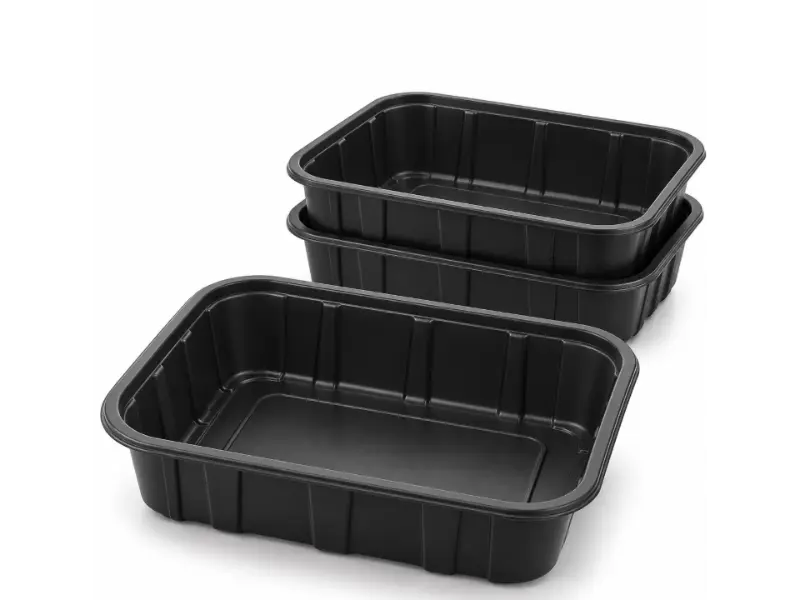
The edge width, sidewall height, and corner geometry of the polypropylene food trays can be adjusted through mold design to accommodate different food weights and arrangement methods. A well-engineered edge structure helps distribute stress, reducing the risk of deformation caused by uneven pressure during handling and transport.
The base of the tray can be designed with reinforcing ribs and targeted support zones to ensure even load distribution. Compared to simply increasing the overall wall thickness, this structural optimization balances load-bearing performance with material usage, preventing issues such as localized thin spots that could compromise the tray's integrity.
During production, key parameters—such as injection temperature, injection speed, holding pressure, and cooling conditions—are carefully controlled to optimize material flow and molding within the cavity. These precise process settings help minimize defects like localized shrinkage, warping, or surface irregularities, ensuring greater consistency in both the appearance and dimensions of the final product.
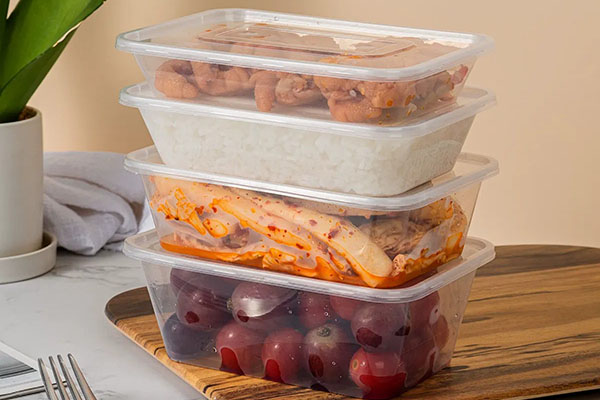
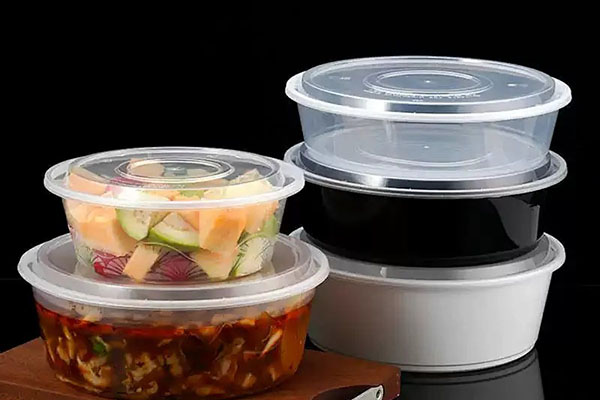
Given that food packaging is typically used in large quantities, the design of the tray—including the taper of the sidewalls, the dimensions of the base, and the nesting gap between stacked units—should be carefully considered. An optimal gap prevents the trays from becoming wedged together when stacked, facilitating easy retrieval, organized storage, and efficient transport.
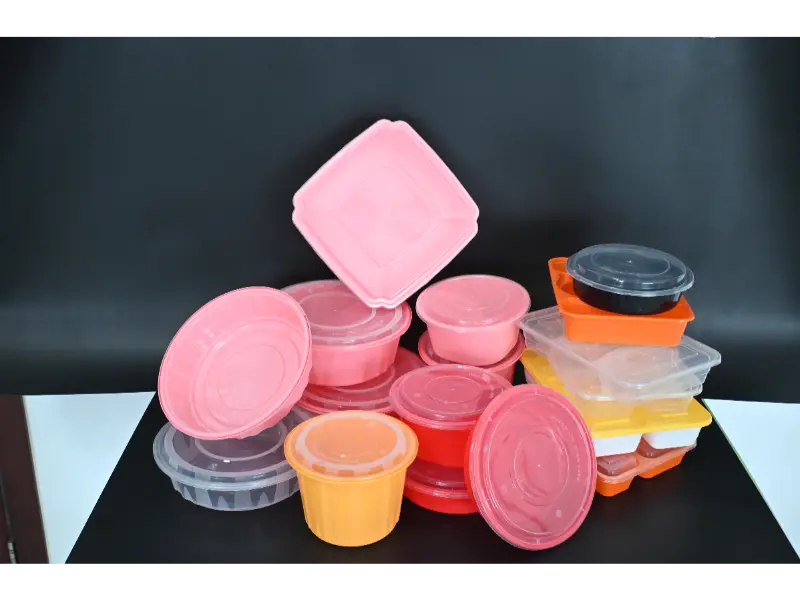
Select appropriate polypropylene (PP) raw materials suitable for food-contact trays, and verify the batch information, physical appearance, and relevant quality documentation. Upon arrival, materials must be stored according to established management protocols; ensure that materials from different batches or intended for different uses are kept separate to guarantee that all production inputs meet product specifications.
Prepare the raw materials based on the required product color and production specifications. If color adjustment is necessary, incorporate the appropriate masterbatch according to the technical requirements. Before production begins, inspect the injection molding machinery, molds, and auxiliary equipment to ensure that the mold installation, cooling systems, and overall equipment status meet the necessary operational standards.
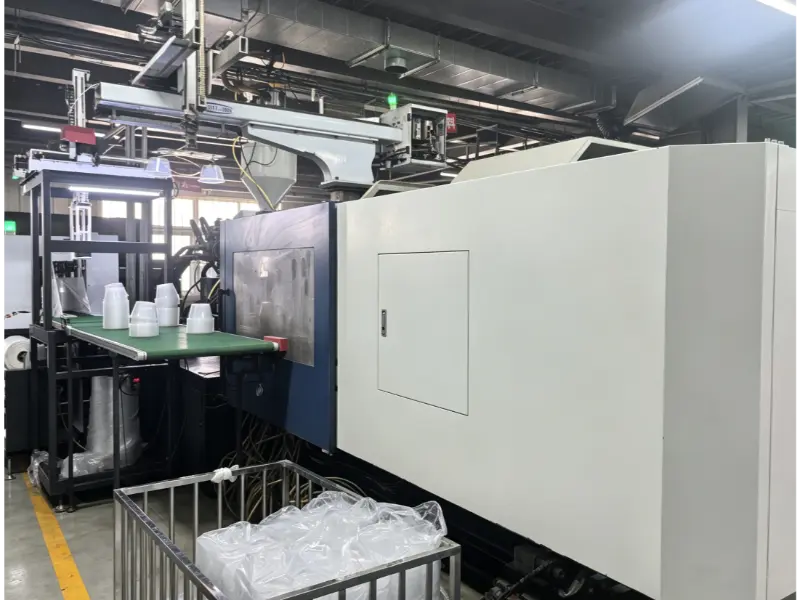
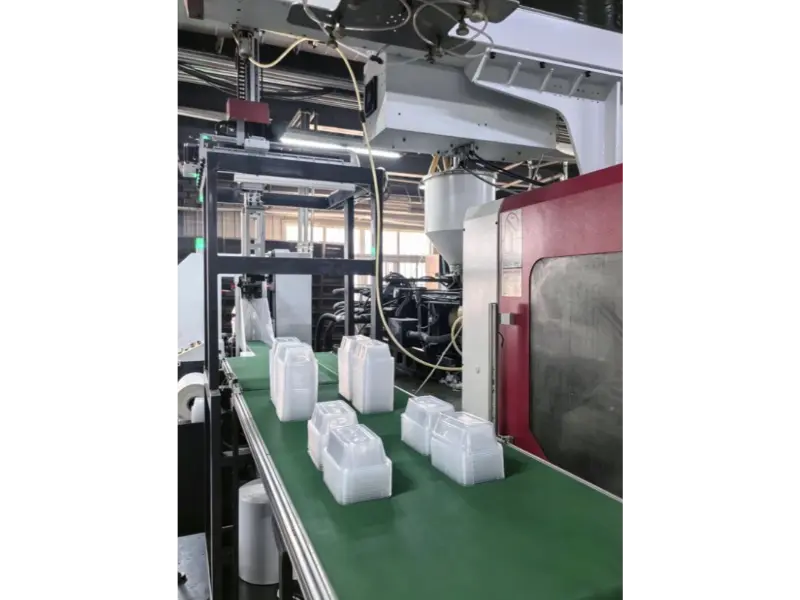
Feed the prepared PP material into the injection molding machine. The product is formed through a sequence of heating and plasticization, injection into the mold, holding pressure, and cooling. Process parameters—such as those governing the tray’s structural features and wall thickness—are configured accordingly. Once the product has cooled sufficiently for safe removal, it is extracted from the mold, either by the machine itself or by an automated robotic arm.
Inspect the molded products for visual defects and perform any necessary edge trimming. Key areas to check include flash (excess material), short shots (incomplete filling), deformation, sink marks, and surface irregularities. Additionally, verify the length, width, depth, and critical structural dimensions against product blueprints or approved samples, removing any items that fail to meet specifications.
Sort the approved products by specification, color, and batch. Count the items, package them according to requirements, and apply the necessary labels. During packaging, ensure that the trays are stacked carefully to prevent crushing, deformation, or surface scratching. Once packaged, the products are moved into storage in accordance with warehouse management protocols.
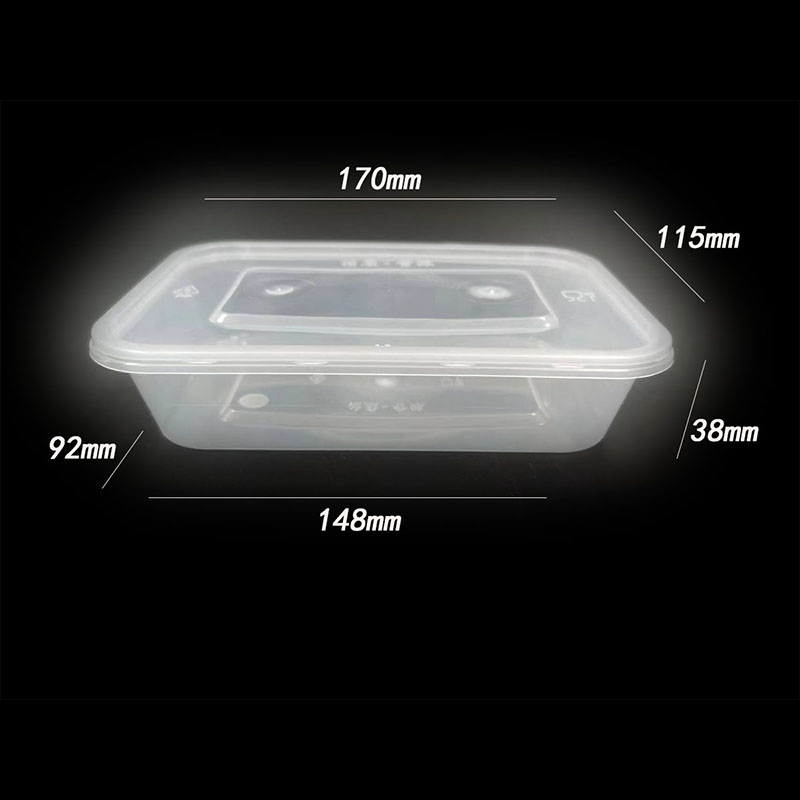
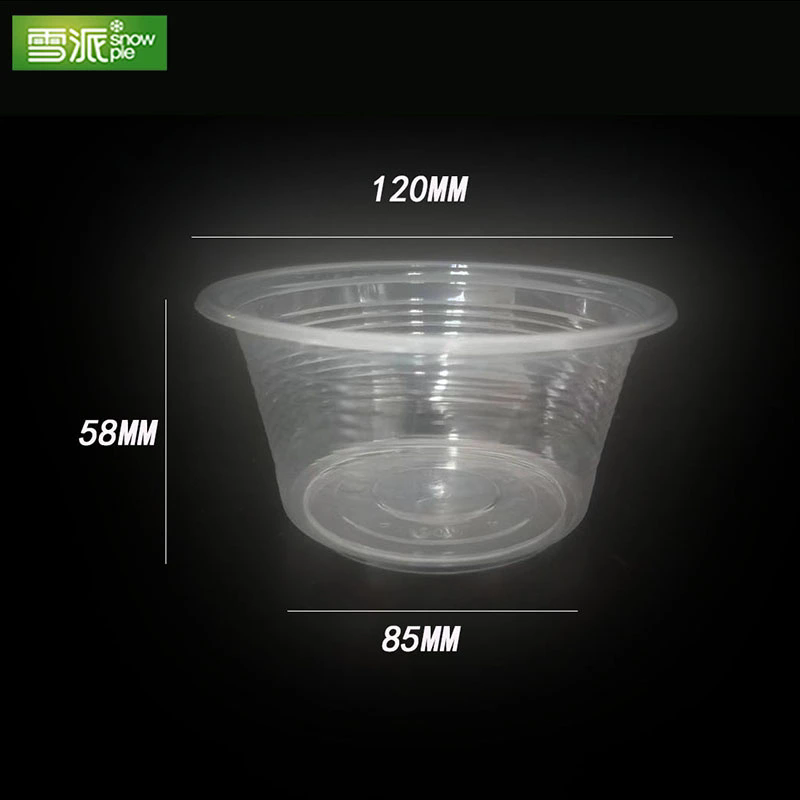
When choosing polypropylene food trays, consider the weight, shape, oil content, and depth of the food to be contained. Before purchasing, verify the inner dimensions, base dimensions, and effective capacity of the tray; do not rely solely on external dimensions, as this may lead to insufficient actual storage space.
While PP material possesses a certain degree of heat resistance, the final performance can vary based on the specific grade of raw material, wall thickness, and structural design. When using trays for high-temperature food or applications requiring heating, always check the product’s specified temperature limits and relevant test compliance. Do not assume that the inherent heat resistance of the raw material applies equally to all finished products.
Ensure that the weight of the contents is appropriate for the tray’s base structure, wall thickness, and overall specifications. Avoid concentrating heavy items in one spot or stacking items in a way that creates excessive pressure. During handling, ensure that the load is distributed evenly across the tray to prevent deformation caused by concentrated pressure on the edges or unsupported sections of the base.
Products should be stored in a clean, dry, and well-ventilated environment, away from direct sunlight and high temperatures. When stacking, limit the height to prevent deformation caused by the weight of items above. Keep the packaging intact to protect the trays from dust and other contaminants.
PP material offers good water and oil resistance, making it suitable for a wide range of food packaging and serving applications. It can be used for items such as prepared foods, side dishes, meats, and other compatible food products. When purchasing, consider the temperature, oil content, and specific contact requirements of the food to select the appropriate material and product specifications.
Yes, wall thickness can be adjusted based on the intended use, load-bearing requirements, and mold structure of the polypropylene food tray. Since wall thickness affects the tray’s rigidity, weight, and molding quality—and because a thicker wall is not necessarily better—the design must be carefully balanced, taking into account the base support, sidewall height, and overall structural integrity.
Whether a tray deforms depends on the specific grade of raw material, the actual temperature, wall thickness, and the tray's structural design. For projects involving hot food, we recommend providing details on the expected food temperature and usage conditions in advance. It is advisable to verify the tray's structural integrity and dimensional stability through sample testing before finalizing specifications for bulk production.
Not all polypropylene food trays are suitable for microwave heating. Suitability must be determined based on the specific raw material, product design, heat-resistance testing, and product labeling. Please clarify any requirements for microwave heating during the procurement process to avoid using standard food-grade trays for microwave applications.
The dimensions of injection-molded products can be influenced by factors such as mold condition, cooling conditions, molding parameters, and variations between material batches. During production, process stability must be maintained, and inspections should be conducted against approved samples and key dimensional specifications to minimize batch-to-batch variation.
Yes, the structural design can be evaluated based on the shape of the food, the portion size, and the intended packaging method. Clients may provide dimensional drawings, physical samples, or specific usage requirements to adjust the tray’s length, width, depth, edge design, and base structure. If necessary, custom production can be achieved by developing a dedicated mold.
Address
Zhengjiawu Village, Wangqingtuo Town, Wugong District, Tianjin City, China
Tel