Follow us for the latest company news, new product launches, and industry exhibition updates.
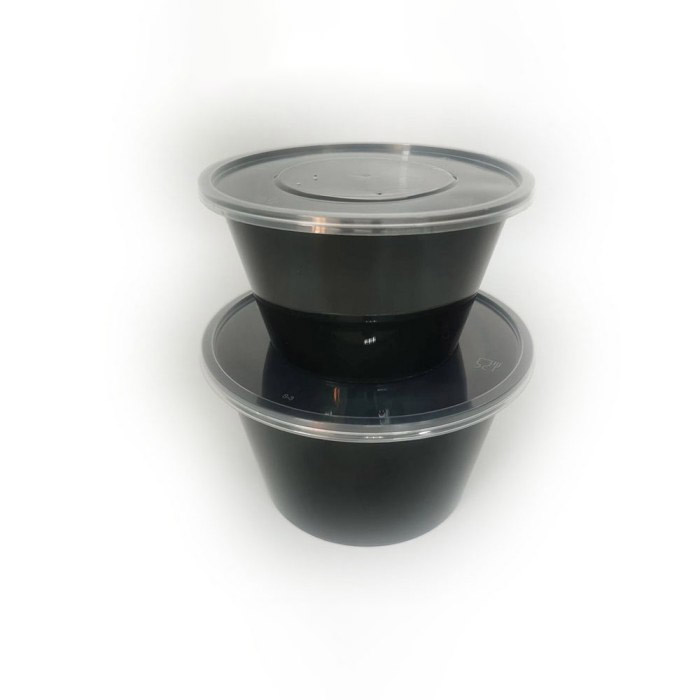
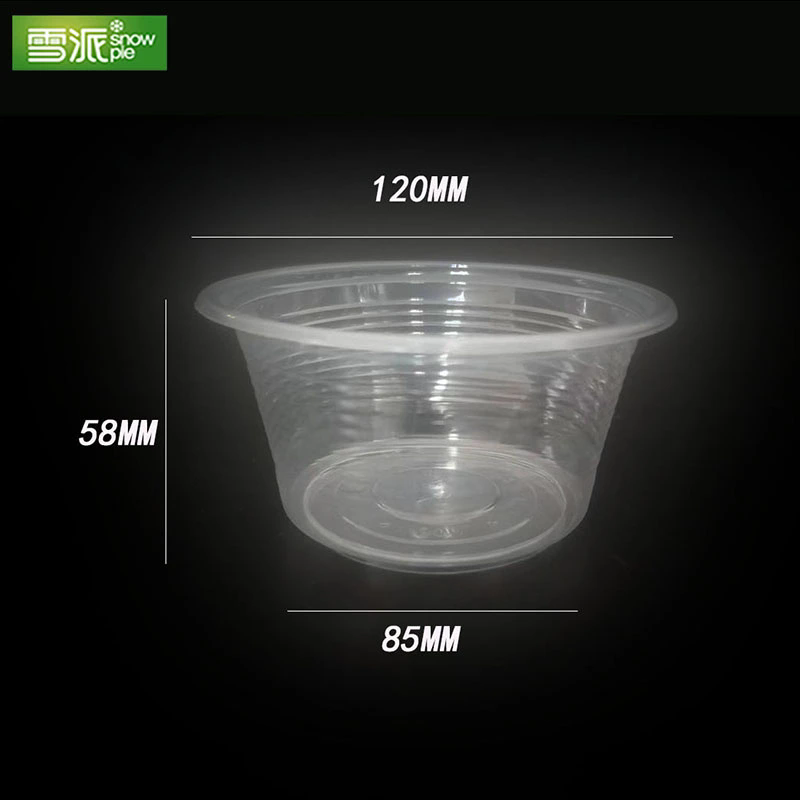
Multi-country fast food franchise operators and European catering packaging importers face dual operational crises under the fully implemented 2026 EU PPWR regulation: inferior composite plastic takeaway lids contain restricted PFAS additives and mixed recycled raw materials, triggering port detention and heavy EPR regulatory fines; mismatched lid-bowl structures generate mass soup leakage complaints, dragging down online store ratings and triggering batch customer refunds. Most generic packaging factories only produce single-capacity lids, forcing brands to cooperate multiple suppliers to cover dessert, soup and staple food menus, raising warehouse SKU management labor and capital occupation costs. Jiekang PP thermoformed lid for 250-series bowl adopt 100% virgin PFAS-free polypropylene and interlocking anti-leak structure with five unified capacity specs, helping global catering brands resolve EU packaging compliance risks and multi-size inventory pressure simultaneously.
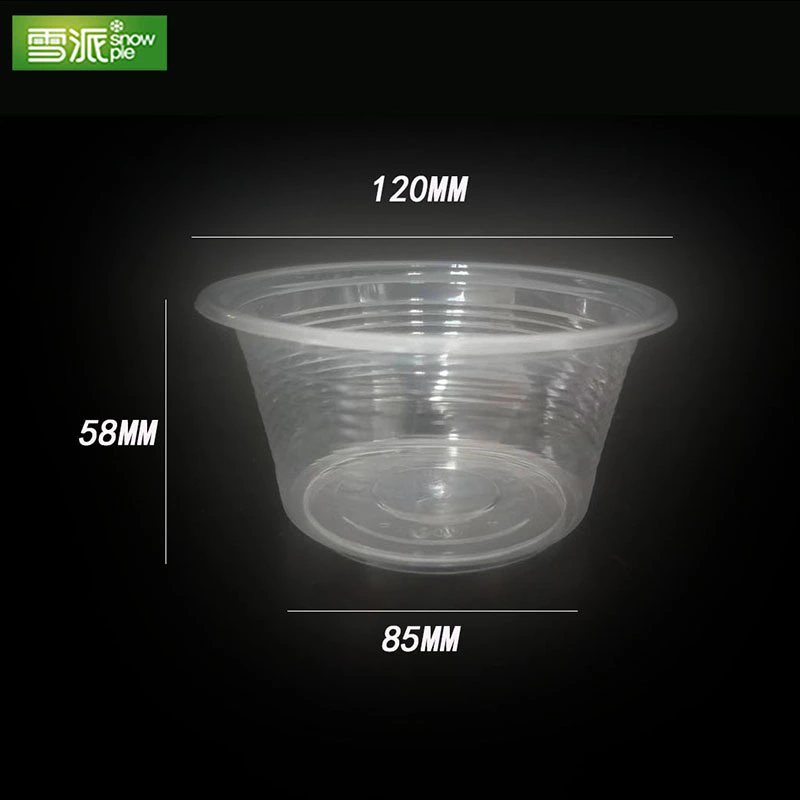
Many low-cost thermoformed lids add fluorinated PFAS oil-repellent coatings and mixed recycled plastic scraps to cut production costs. Per the August 2026 EU PPWR official standards, food packaging with excessive PFAS total fluorine cannot circulate in EU territories, and composite non-separable plastic structures fail recyclability grading audits. This series of lids exclusively uses brand-new odorless PP pellets without any recycled admixtures or fluorine additives, passing CMA third-party total fluorine and heavy metal migration testing. Complete English test reports are attached to every batch of goods, enabling catering importers to smoothly complete customs clearance and EPR registration without supplementary laboratory testing expenditure.
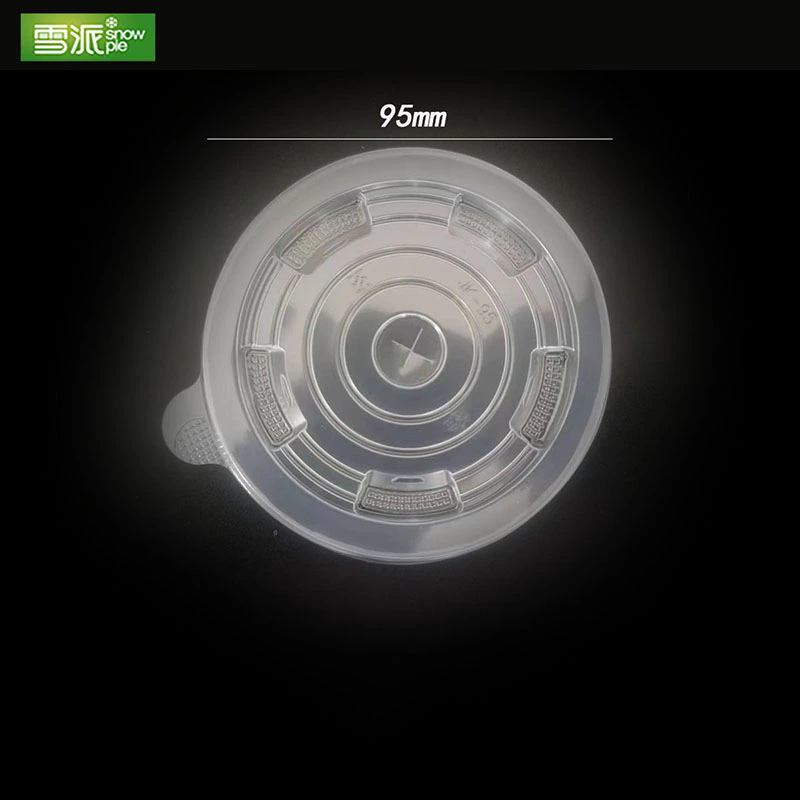
Simple flat lids without rim locking grooves easily separate during long-distance sea freight and multi-layer pallet stacking, leading to soup spillage contaminating whole cartons and generating large-scale order returns. The integrated circular thread + angle bayonet dual design locks the lid and bowl body 360 degrees, maintaining tight sealing even under sideways and inverted placement during courier transit. Catering chain test data shows leakage-related customer refunds drop over 68% after switching to this matching lid solution, protecting brand online reputation in cross-border e-commerce platforms such as Uber Eats and Deliveroo.
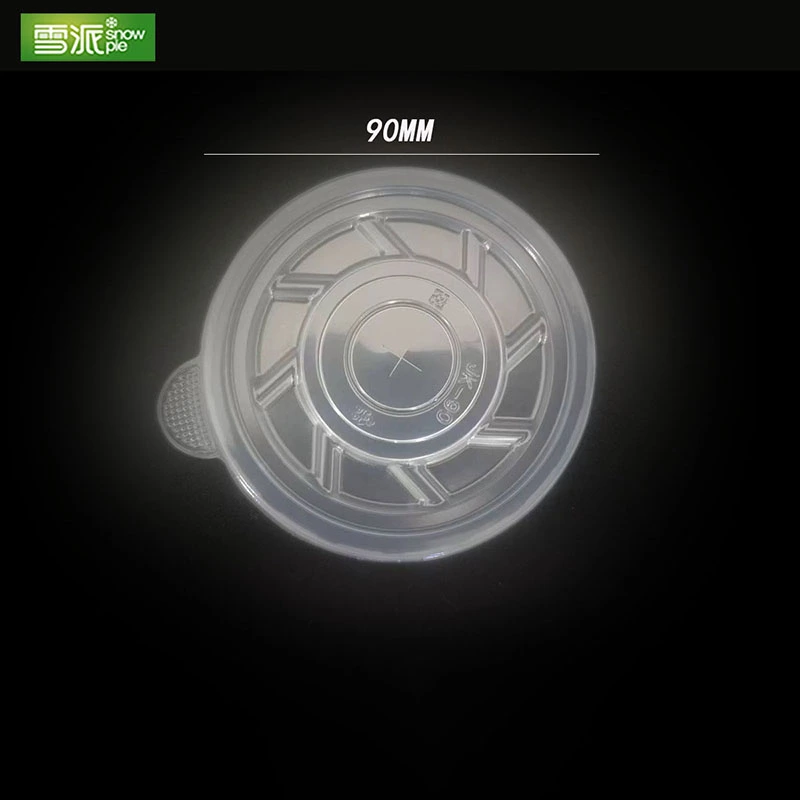
Most packaging manufacturers split sauce, dessert, staple food and large soup containers into independent product lines with mismatched lid calibers. Franchise brands need to maintain 8–12 different packaging SKUs, occupying massive warehouse space and increasing monthly stocktaking workload. The 250-series matching lid covers 360ml mini sauce to 999ml large hot pot portions with consistent outer diameter, allowing brands to source all takeaway container lids from a single supplier. Centralized bulk ordering lowers unit purchase prices and simplifies cross-container consolidated sea freight arrangements for multi-country catering groups.
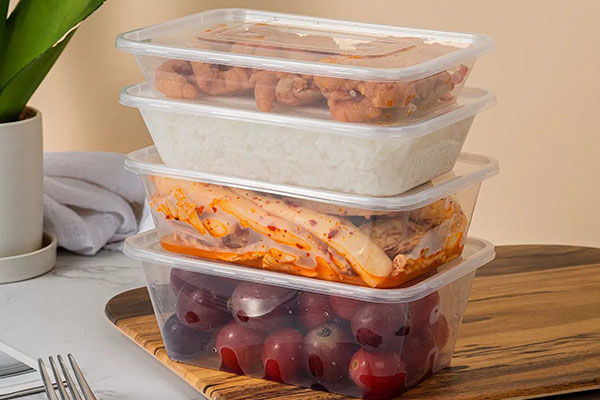
Matte semi-opaque lids block food visual display, reducing customers’ willingness to take photos and share meals on Instagram and TikTok, missing free organic brand exposure opportunities. The high-clarity integrated thermoforming process retains transparent texture without haze, fully presenting soup color and ingredient layers to end consumers. Franchise brands using this transparent lid packaging gain 20% higher social media posting frequency compared with opaque alternatives, driving natural offline store traffic growth without extra advertising investment.
Ordinary thin PP lids deform rapidly under microwave high temperature or crack under low-temperature refrigeration, limiting brand menu development flexibility. The thickened thermoformed body maintains stable physical performance from -20°C frozen storage to 120°C microwave heating, supporting hot braised dishes, cold desserts and ice slurry all product categories. Chains no longer need to prepare separate cold-use and hot-use lid inventories, further reducing warehouse SKU quantity and capital occupation pressure.
Scattered packaging suppliers cannot guarantee consistent logo printing color difference across different lid sizes, resulting in disjointed brand visual identity in overseas multi-location stores. In-house integrated printing production lines realize unified color calibration for all five capacity lids, supporting brand LOGO, seasonal promotional slogans and regional exclusive pattern customization. One-stop design, plate making and molding shortens sample confirmation cycle, helping fast food franchises launch unified global packaging series within 7 working days.